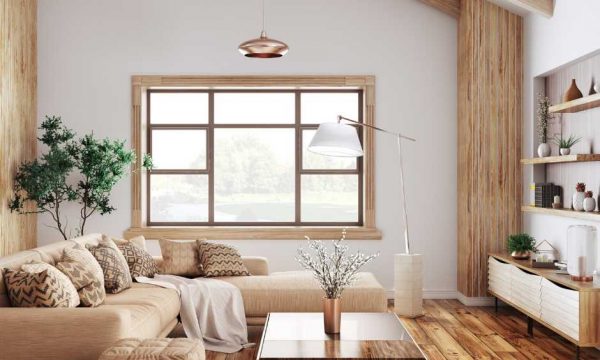
The Charm of Traditional Design in Palific Palisades
A traditional interior designer in Palific Palisades knows how to create spaces that feel timeless yet personal.
Walking into a home styled with this approach often feels like stepping into a warm embrace.
There’s balance, symmetry, and an effortless elegance that never goes out of style.
I remember visiting a friend’s house tucked into the hills of Palisades, where the living room instantly felt like a place you’d want to linger.
The layered textures, soft lighting, and subtle antique details reminded me how powerful traditional design can be in shaping comfort.
Here’s a great place to learn more about a traditional interior designer in Palific Palisades.
Blending Old-World Elegance with Coastal Living
The neighborhood has its own rhythm—sunsets over the ocean, eucalyptus-lined streets, and breezes that bring the outdoors in.
A good designer weaves these natural elements into traditional interiors without losing the classic aesthetic.
Think of a carved wooden coffee table paired with light linen drapes that sway when the windows are open.
I once saw a dining room in a Palisades home where an heirloom mahogany table sat beneath a coastal-inspired chandelier made of shells.
That mix of tradition and locality brought the best of both worlds together.
Why Scale and Proportion Matter
Traditional interiors thrive on balance.
Rooms often feature pairs—two armchairs flanking a fireplace or twin lamps on either side of a sofa.
This creates harmony and order, which makes the space feel calm.
In my own experience helping a neighbor rearrange their family room, we discovered how one oversized sectional threw the entire layout off.
Swapping it for a classic sofa and two chairs transformed the space, making it both practical and inviting.
Layering Textures for Depth
Texture is what keeps traditional interiors from looking flat.
Velvet pillows, wool rugs, and silk drapes can live comfortably in the same room when chosen thoughtfully.
Mixing materials creates dimension, even when the color palette leans neutral.
I’ve always admired homes where you can run your hand across a rustic wooden banister, then brush against a silk cushion on a chair nearby.
That interplay between rough and refined adds richness without feeling staged.
Color Palettes That Stand the Test of Time
While trends may lean into bold hues, traditional design relies on palettes that feel grounded.
Creams, soft blues, warm taupes, and gentle greens dominate.
These shades provide a backdrop for statement pieces without overwhelming the senses.
A client once told me how painting her walls a warm beige instantly made her antique brass sconces glow brighter.
That small change brought the entire hallway to life, proving that subtle colors can have a big impact.
Storytelling Through Furniture and Accessories
Every traditional space has a story to tell.
The furniture often carries history, whether it’s a hand-carved chest passed down for generations or a vintage armchair found at a local market.
These pieces make a home feel layered with memory rather than staged for a catalog.
I recall a Palisades homeowner who displayed her grandmother’s china in a built-in cabinet.
Even though the set hadn’t been used in years, its presence grounded the dining room with authenticity.
The Role of Lighting in Traditional Spaces
Lighting can make or break a traditional interior.
Chandeliers, sconces, and table lamps all contribute to the layered effect that gives depth to a room.
Natural light is enhanced with soft fabrics and strategically placed mirrors.
Once, during a remodel, a homeowner swapped out harsh recessed lighting for a set of classic wall sconces.
The difference was immediate—the room felt intimate, like a space meant for conversation and relaxation.
Combining Function with Aesthetic
Traditional design isn’t just about beauty—it’s about practicality.
Rooms are arranged with daily life in mind.
Seating areas are positioned for conversation, dining tables are designed to hold family gatherings, and entryways are welcoming without being cluttered.
A family I knew added a sturdy wooden bench with storage baskets underneath near their front door.
It served as both a stylish piece and a catch-all for shoes and bags, blending function with tradition seamlessly.
Personal Touches That Elevate the Space
Traditional interiors are never cookie-cutter.
Each space reflects the homeowner’s personality.
Whether it’s artwork collected during travels or framed photographs of family milestones, these details personalize the design.
I once visited a Palisades home where the living room mantel displayed a collection of seashells gathered from decades of beach walks.
They were arranged alongside bronze candlesticks, bridging personal history with timeless décor.
Why Traditional Design Feels Like Home
There’s a reason why traditional interiors continue to appeal across generations.
They’re not flashy, and they’re not fleeting.
Instead, they focus on creating homes where people feel comfortable, safe, and connected.
In Palific Palisades, with its blend of coastal energy and quiet streets, traditional design grounds the home while allowing the natural beauty outside to shine.
It’s not about replicating trends but about building a lasting sense of place.
Final Thoughts
Traditional interiors are more than just pretty rooms.
They’re living, breathing spaces where stories unfold, families gather, and comfort is never compromised.
The beauty of this style lies in its ability to adapt while holding onto elements that make a home feel authentic.
When crafted carefully, these interiors strike the perfect balance between form and function.
They remind us that design isn’t just about aesthetics—it’s about how a space makes you feel when you step inside.