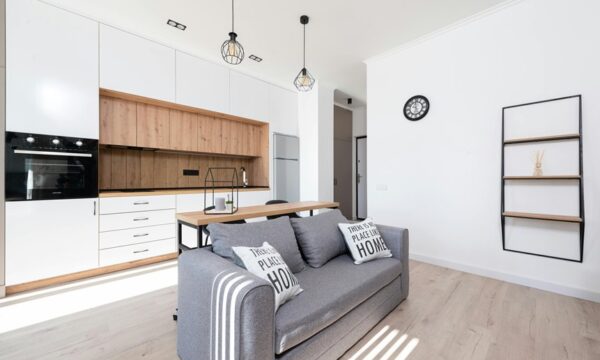
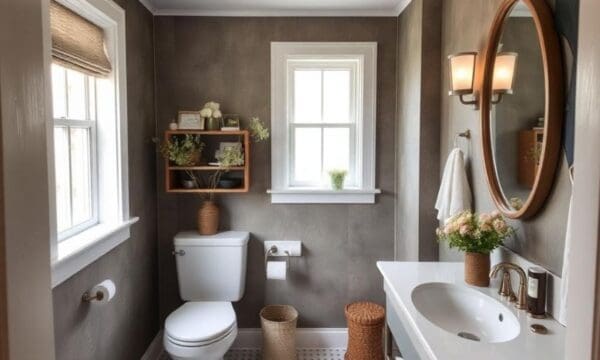
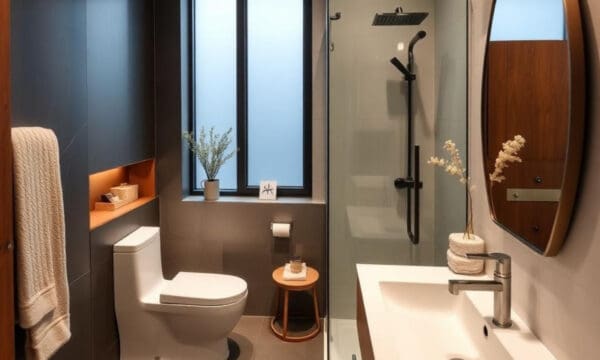
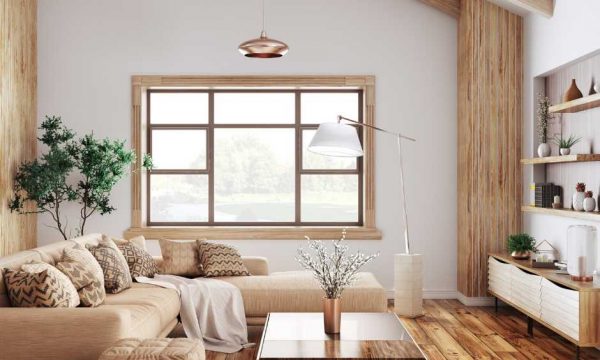
To decorate with natural textures, layer wood, linen, stone, and rattan for a visually rich yet balanced look. Use woven baskets, cork flooring, and honed stone to add depth and tactile intrigue, sticking to complementary neutrals for harmony. Mix large and fine patterns, anchor them with solid tones, and incorporate sculptural wood or rattan accents for biophilic appeal. With the right mix of materials and intentional placement, your space feels curated and contemporary—there’s more technique to discover ahead.
Key Takeaways
- Layer organic materials like bamboo, cork, and natural stone to add depth and tactile intrigue to your space.
- Mix wooden accents and woven decor, such as rattan or baskets, for warmth and artisanal appeal.
- Incorporate high-quality textiles—linen drapes, cotton throws, and jute rugs—to soften and enrich the environment.
- Balance various textures and patterns by sticking to a neutral, cohesive color palette.
- Combine different textures and finishes thoughtfully for visual harmony and a curated, nature-inspired look.
Choosing the Right Natural Materials for Your Space
When selecting natural materials for your space, focus on balance, durability, and visual harmony. Prioritize finishes that complement your design scheme without overwhelming it.
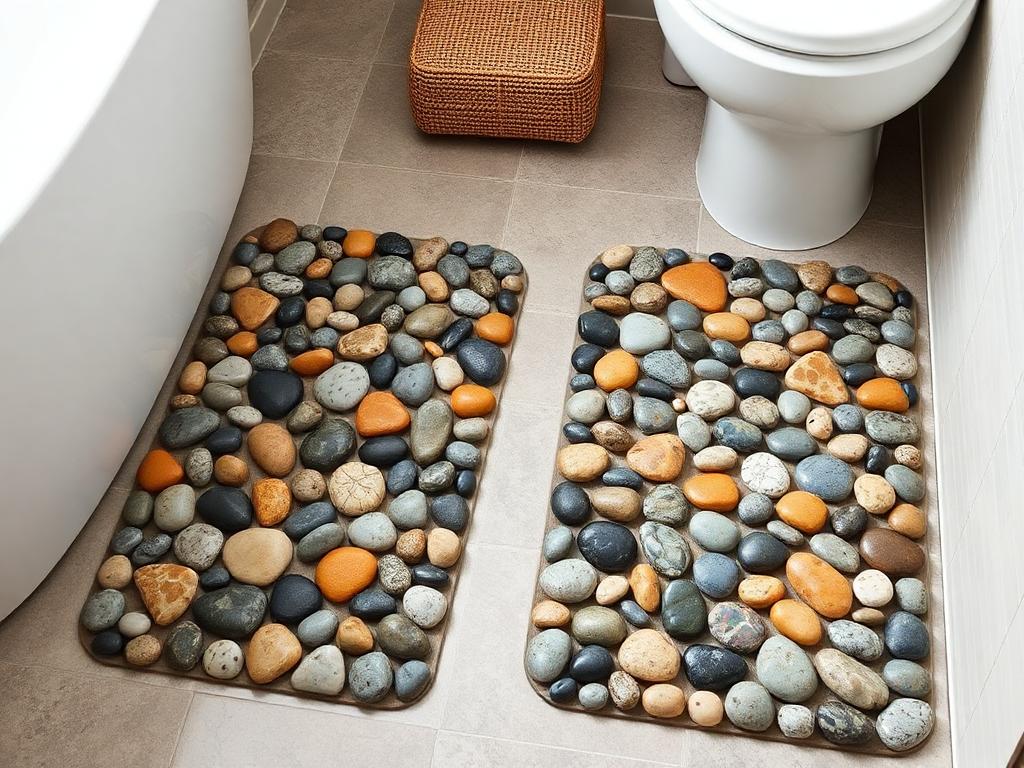
For example, bamboo accents introduce linear grain and subtle warmth, aligning with eco-conscious trends while maintaining a clean aesthetic. Consider integrating cork flooring for its resilience, acoustic dampening, and tactile comfort—qualities ideal for high-traffic or multifunctional rooms. Additionally, incorporating natural elements like pebble bath mats can enhance the overall aesthetic of your bathroom, providing a spa-like feel that promotes relaxation.
Evaluate the interplay of textures, ensuring each material contributes to a cohesive visual narrative. Use contrast, such as pairing smooth bamboo with the organic irregularity of cork, to create depth and interest.
Select materials with inherent sustainability to future-proof your design. By curating textures intentionally, you’ll craft an environment that’s both enduring and on-trend, exuding refined natural character.
Adding Warmth With Wooden Accents

Once you’ve selected foundational natural materials, incorporating wooden accents instantly elevates a space with inviting warmth and tactile richness.
To achieve balance, layer varying wood finishes—mix lighter oaks with deeper walnuts for visual interest and a dynamic palette. Pay attention to grain direction, as prominent or subtle patterns can set the tone: bold grains add organic drama, while finer textures communicate refinement.
Introduce rustic furniture to ground contemporary spaces, blending rough-hewn edges or timeworn patinas with sleek architectural lines to bridge modern and traditional aesthetics.
Don’t overlook sculptural wood accessories, such as carved trays or turned candlesticks, which bring artisanal quality into the mix.
This approach guarantees your space feels curated, on-trend, and authentically connected to nature through every tactile wood detail.
Incorporating Woven Baskets and Rattan Decor

Because woven baskets and rattan decor infuse interiors with organic structure and lightness, they’ve become essential elements in contemporary design.
You’ll find woven basket benefits extend beyond aesthetics—think versatile storage, tactile contrast, and visual rhythm. Use oversized baskets to corral throws or magazines, or group smaller ones for curated wall installations.
Rattan decor styles, from sculptural pendant lights to mid-century-inspired accent chairs, offer flexibility in layering natural texture without visual heaviness. Prioritize balance by mixing rattan with sleek surfaces or matte finishes; this interplay keeps your space dynamic and intentional.
As trends embrace biophilic design, these pieces bridge functionality and artistry. Ultimately, integrating woven baskets and rattan decor grounds your room, establishing a seamless dialogue between comfort, utility, and elevated style.
Enhancing Softness With Linen and Cotton

Although minimalism often favors crisp finishes, integrating linen and cotton introduces essential softness and tactility to your interiors. You’ll find that linen drapery options set a relaxed, effortless tone, diffusing natural light with a delicate, organic weave.
Opt for neutrals or subtle earth tones to reinforce a nature-inspired palette, ensuring visual cohesion. Layering cotton throw blankets across a sofa or bed instantly adds approachable warmth and comfort, while also enhancing depth through textural contrast.
Both fabrics breathe well, maintaining an inviting, lived-in look that aligns with current biophilic and slow-living design trends. Prioritize high-quality, ethically sourced textiles for durability and sustainable appeal.
Using Stone and Ceramic Elements for Visual Interest
Whether you’re aiming for subtle distinction or bold impact, incorporating stone and ceramic elements instantly elevates your interior’s visual narrative.
You can utilize natural stone finishes on accent walls, hearths, or even tabletops to introduce depth and tactile intrigue. Opt for honed or textured surfaces to emphasize organic authenticity, a trend embraced by leading designers for its ability to connect spaces to nature.
Ceramic glazes, on the other hand, offer endless chromatic and textural variations. Group artisanal ceramic vases or select hand-glazed tiles for backsplashes, creating dynamic focal points with nuanced reflectivity.
Pairing matte stone finishes with glossy ceramic glazes achieves a sophisticated material contrast. Prioritize cohesion—choose hues and profiles that complement your overall palette, ensuring the space feels curated, not chaotic.
Layering Rugs Made From Jute, Sisal, and Wool
When you layer rugs crafted from jute, sisal, and wool, you introduce nuanced dimension and tactile richness to any interior.
Expert rug placement maximizes visual impact—start with a sturdy, flat-woven jute or sisal base to anchor the space, then add a plush wool rug for warmth and softness. This layering technique is a hallmark of well-curated, trend-forward design, spotlighting texture contrast and organic depth.
Here’s how to master the look:
- Anchor with Neutrality: Place a large, neutral jute or sisal rug as your foundational piece.
- Add Softness: Layer a smaller, patterned or colorful wool rug atop to infuse coziness and visual intrigue.
- Play with Scale: Mix rug sizes and shapes for dynamic, intentional composition that feels both relaxed and elevated.
Bringing in Plants for Organic Texture

Infusing your space with living greenery instantly elevates organic texture, creating a essential connection between interior design and the natural world.
To maximize this effect, curate a variety of plant types—think sculptural fiddle leaf figs, trailing pothos, or architectural snake plants. Incorporate indoor gardening principles by layering heights and leaf shapes, allowing plants to serve as both visual anchors and tactile elements within your decor scheme.
Grouping plants in clusters amplifies textural depth, while mixing different containers—like matte ceramics or woven baskets—further enhances dimensionality.
Consider current biophilic trends, which emphasize greenery as a tool for wellness and sensory stimulation. By integrating diverse plant types and thoughtfully arranging them, you’ll foster a dynamic, organic atmosphere that transforms any room into a sanctuary of natural texture.
Styling With Leather and Hide Accessories
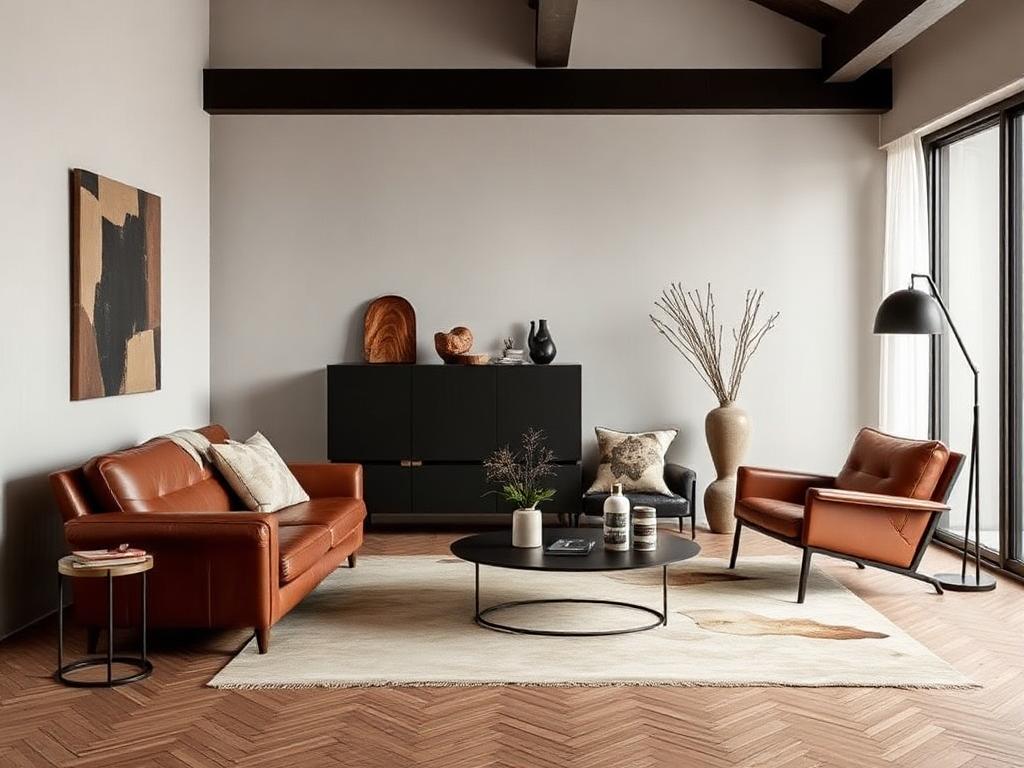
Although minimalist interiors often rely on sleek materials, integrating leather and hide accessories introduces warmth and sophisticated tactility that ground a space.
You can use these materials to add visual intrigue, layering, and a sense of refined comfort. Leather’s inherent patina and hide patterns—whether subtle or bold—offer textural contrast, complementing neutral palettes or accentuating a curated, collected look.
Prioritize leather care to preserve your investment and maintain the supple quality of natural hides.
Consider these expert styling tips:
- Pair a leather ottoman with linen or wool textiles for an elevated mix of textures.
- Drape a cowhide rug over hardwood floors to introduce organic movement through unique hide patterns.
- Incorporate small-scale leather accessories—like trays or pillows—for a touch of luxury without overwhelming the room.
Mixing Metal Finishes With Natural Textures
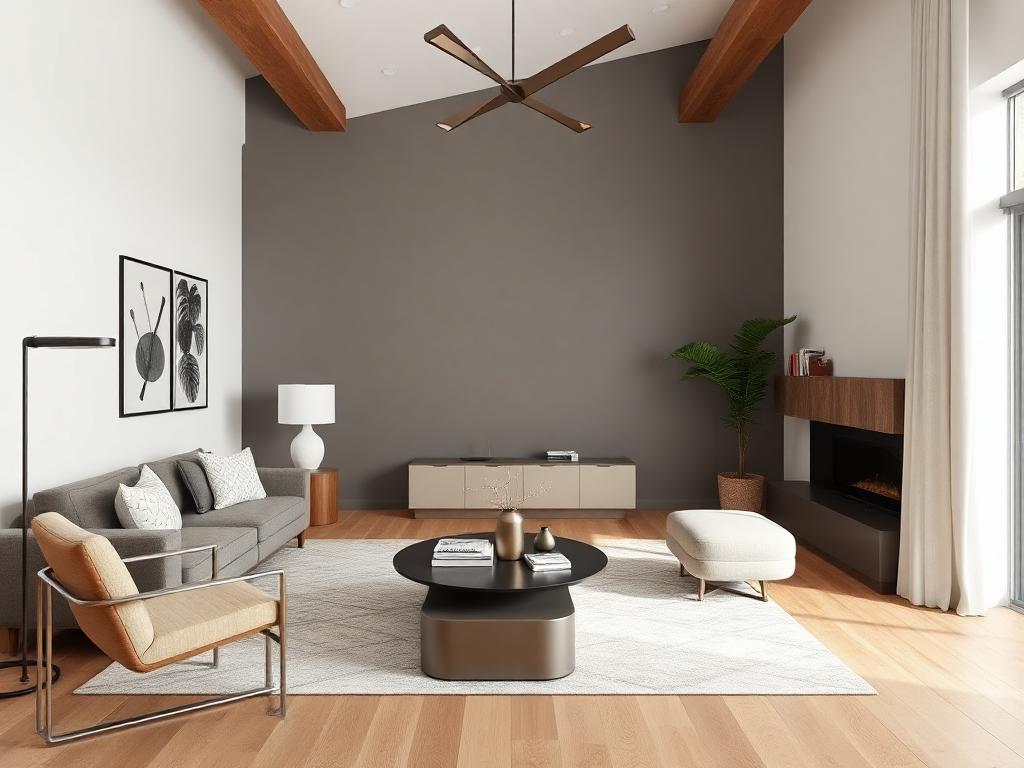
Leather and hide accessories introduce tactile warmth, but to create a dynamic, layered interior, it’s important to balance these organic elements with strategic metal finishes.
Integrate metal accents—think brushed brass, matte black, or antique bronze—to establish contrast while maintaining texture harmony. Opt for lighting fixtures, hardware, or sculptural decor in varied metals that complement, rather than compete with, natural materials.
Layering metallics with wood, stone, and woven fibers elevates the visual depth and contemporary appeal of your space. Current design trends favor mixing cool and warm metal finishes, as this approach avoids monotony and enhances organic texture.
Use repetition and scale to unify diverse elements, ensuring the metals act as intentional highlights amid the tactile richness of your natural textures.
Balancing Patterns and Neutrals for a Cohesive Look

Pattern play brings energy to interiors, but without the grounding influence of neutrals, spaces can quickly feel chaotic. Achieving pattern balance is all about curating visual interest while maintaining neutral harmony.
You’ll want to layer organic patterns—think woven rattan, jute, or linen—with a restrained color palette. This approach guarantees that textural elements shine without overwhelming the eye.
For a cohesive look, follow these expert steps:
- Limit your palette: Stick to three or four complementary neutrals as a foundation, like warm taupe, soft ivory, or muted gray.
- Vary scale: Mix large-scale natural patterns with finer, subtle textures to avoid monotony.
- Anchor with solids: Introduce solid-colored upholstery or rugs to give patterned accents space to breathe and unify the room.
Conclusion
By layering natural textures, you’ll create a visually rich and inviting space that feels both curated and timeless. Prioritize balance—mix hard and soft materials, matte and sheen finishes, and organic forms with clean lines. Don’t overlook scale and proportion when styling accents. Lean into current trends, like oversized ceramics or woven lighting, but stay true to your aesthetic. Ultimately, integrating nature-inspired elements guarantees your home remains sophisticated, on-trend, and effortlessly comfortable year-round.