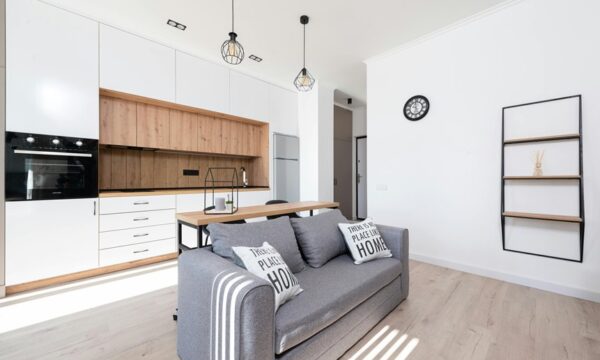
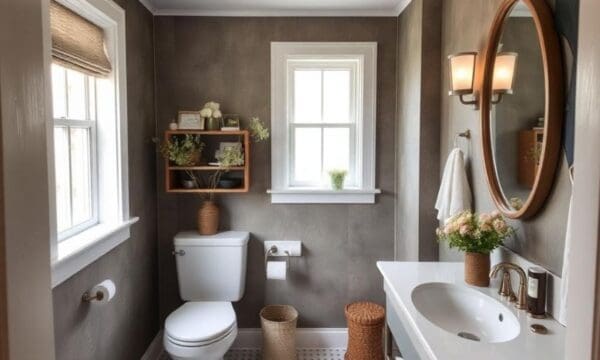
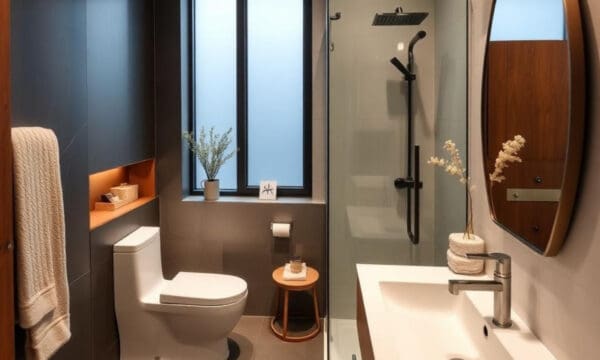
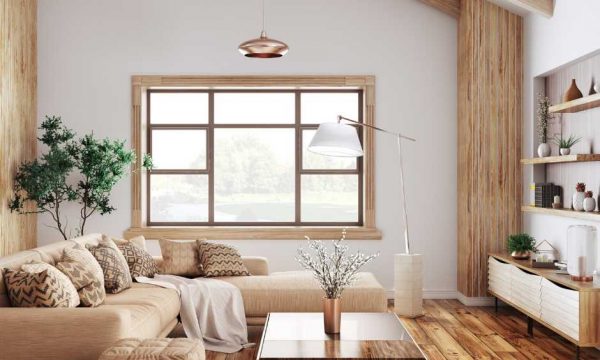
To organize your home with minimalist flair, start by removing what you don’t use from each room and keep only items that add value or joy. Limit decorative objects, store essentials within reach, and use furniture with hidden storage. Group like items together, maintain clear surfaces, and assign everything a home.
A tidy entryway sets the tone, while calm in bedrooms and living areas creates a peaceful retreat. There’s more you can do for every room—just keep going.
Decluttering Strategies for the Living Room
Although your living room is meant for relaxation, it can quickly become cluttered with everyday items. Start by removing anything that doesn’t belong, like mail, shoes, or dishes.
Next, sort through your décor and only keep pieces that serve a purpose or bring you joy. Limit throw pillows, blankets, and knickknacks to prevent visual chaos. Designate a basket or bin for remote controls, magazines, and chargers, so they’re always within reach but out of sight.
Consider using furniture with built-in storage, such as ottomans or coffee tables with hidden compartments. Keep flat surfaces like coffee tables and shelves mostly clear, displaying just one or two favorite items. Finally, commit to a five-minute daily reset to return stray objects to their rightful places and maintain order.
Simplifying Bedroom Storage
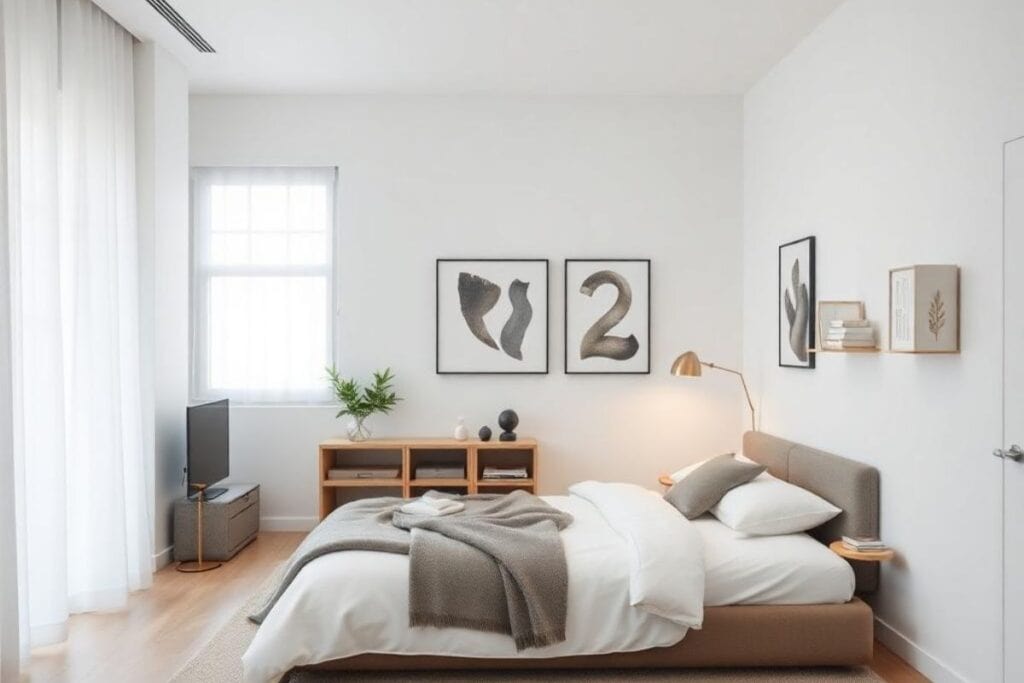
Once your living room feels streamlined, it’s time to bring that same simplicity to your bedroom. Start by clearing out anything you don’t use or love—clothes, shoes, and accessories that no longer serve you. Store seasonal items in bins under the bed or on high shelves to free up closet space.
Use matching hangers and drawer dividers to keep everything tidy and easy to find. Limit decorative items on nightstands to just what you need, like a lamp and an alarm clock. Opt for multi-functional furniture, such as beds with built-in drawers or a small dresser that doubles as a nightstand. By keeping only the essentials and using smart storage solutions, you’ll create a restful, clutter-free bedroom.
Streamlining the Kitchen Essentials
When you focus on streamlining your kitchen essentials, start by removing gadgets and utensils you rarely use. Open each drawer and cabinet, pulling out items you haven’t touched in months. Keep only the tools you use weekly—think one sharp chef’s knife, a sturdy cutting board, and basic cookware. Choose versatile appliances that serve multiple purposes instead of single-use gadgets.
Organize what’s left by grouping similar items together—store utensils near food prep areas and pots close to the stove. Use drawer dividers or small containers to keep everything in order. Limit dishware to what your household needs daily, plus a few extras for guests. By sticking to the basics and maintaining clear surfaces, you’ll create a kitchen that’s efficient, easy to clean, and stress-free.
Organizing the Bathroom With Minimalism
Even a small bathroom can feel spacious and calm if you pare down to just the essentials. Start by clearing out expired products, duplicates, and items you rarely use. Keep only what you need daily—think one shampoo, one conditioner, a single body wash, and your preferred skincare.
Store items in clear bins or simple trays to avoid cluttered countertops. Use drawer dividers for smaller essentials like cotton swabs and razors. Hang towels on hooks to free up shelf space. Limit decor to one or two calming elements such as a plant or a candle. Clean surfaces regularly to maintain a tidy look. By sticking to the basics and organizing what remains, you’ll turn your bathroom into a relaxing and efficient space.
Creating Calm in the Home Office
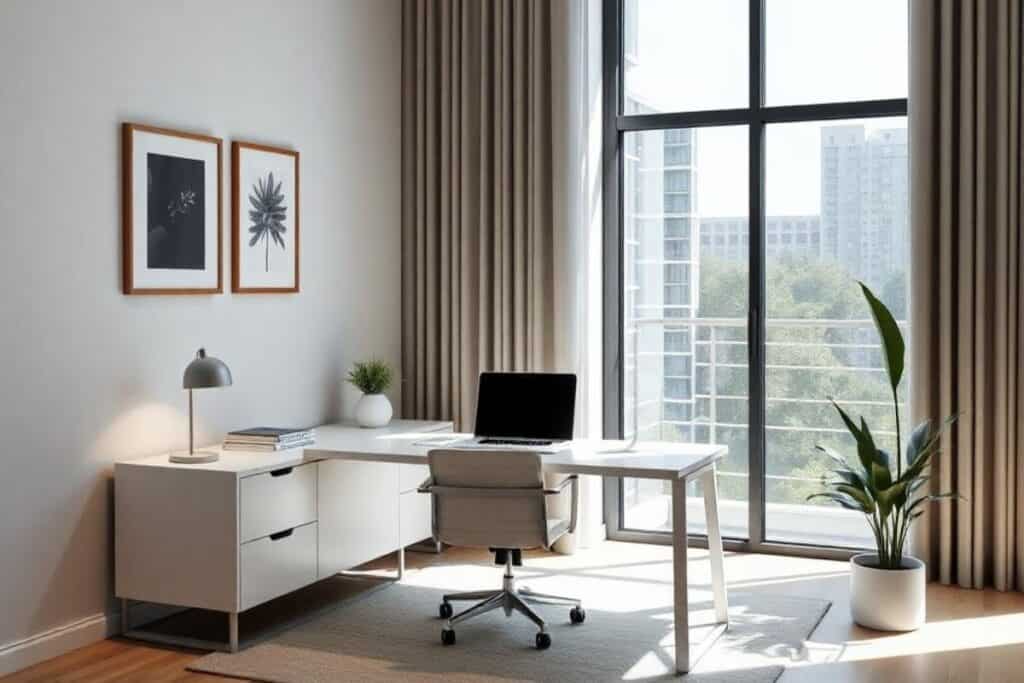
Just as a simplified bathroom brings peace to your daily routine, a clutter-free home office can boost focus and productivity. Start by clearing your desk of non-essentials—keep only your computer, a notebook, and a pen within reach. Store supplies and paperwork in labeled drawers or boxes so surfaces stay open and inviting. Digitize documents whenever possible to reduce paper piles. Limit décor to one calming piece, like a plant or small artwork, to avoid distractions.
Use cable organizers to tame cords and keep your tech area tidy. At the end of each day, take two minutes to reset your space. By maintaining order and minimizing visual noise, you’ll create a calm environment where you can work efficiently and think clearly.
Minimalist Solutions for Kids’ Rooms
Although kids’ rooms often overflow with toys and clothes, you can introduce minimalism by prioritizing what they truly use and love. Begin by sorting toys, books, and clothes together. Keep only the favorites and donate or store the rest. Use labeled bins or baskets for easy access and clear organization. Opt for furniture with built-in storage, like beds with drawers or shelves. Limit décor to a few meaningful items, avoiding clutter on walls and surfaces.
Rotate toys seasonally so there’s always something fresh without excess. Teach your child to tidy up daily, making it part of the routine. Choose multi-functional pieces, such as a small table for crafts and homework. With these steps, you’ll create a calm, functional space your child enjoys.
Maintaining Order in Entryways and Hallways
While entryways and hallways are high-traffic areas, they often collect shoes, bags, and coats that quickly lead to clutter. To maintain order, assign a specific spot for each item. Use a slim shoe rack or a small bench with built-in storage to keep shoes off the floor. Hang sturdy hooks at different heights for coats, bags, and keys—making them easy to reach and put away. Limit the number of items in these spaces by storing out-of-season gear elsewhere.
Place a small tray or basket for mail and miscellaneous items, clearing it daily to prevent buildup. Choose furniture with clean lines to avoid a crowded look. By setting clear boundaries and routines, you’ll keep your entryway and hallway neat and welcoming.
Conclusion
Embracing minimalist organization room by room transforms your entire home into a calmer, more functional space. Start small, focus on what you truly need and love, and let go of the rest. Use smart storage, keep surfaces clear, and regularly reassess your belongings. With these practical tips, you’ll maintain order without feeling overwhelmed. Remember, minimalism isn’t about deprivation—it’s about creating a peaceful home that supports your lifestyle. Take it one room at a time, and enjoy the results.