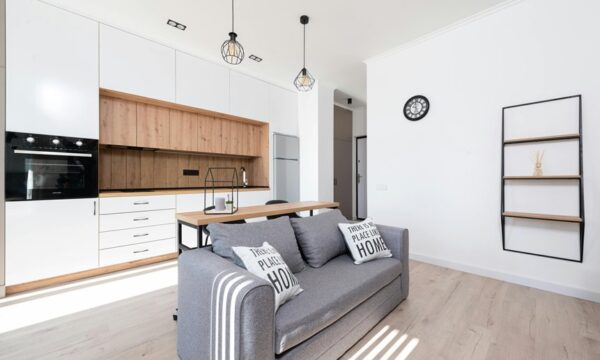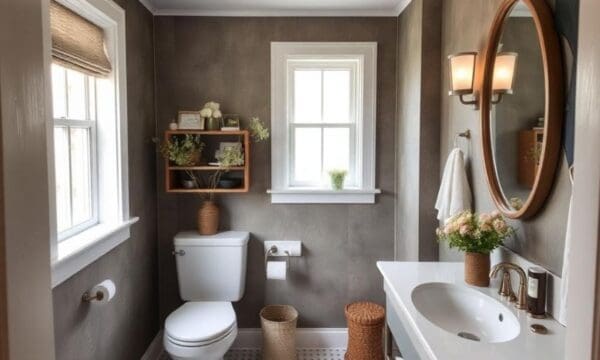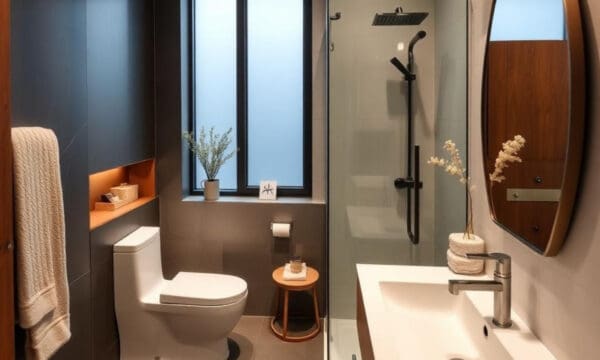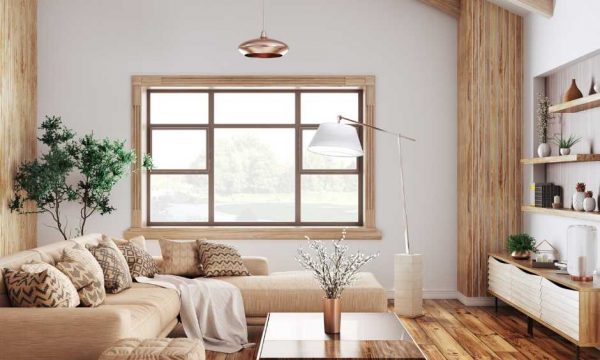
When mixing metals in design, start by choosing a dominant finish to anchor your palette and guide secondary accents. Layer warm and cool tones for depth, but keep undertones in mind for seamless contrast. Always distribute finishes with intention—don’t scatter or over-cluster. Use accent metals to highlight focal points and echo key elements, but avoid lookalike finishes side by side. Curious how to apply these rules to kitchens, bathrooms, or living rooms? Let’s elevate your mix even further.
Key Takeaways
- Choose a dominant metal to anchor the design and guide secondary accents for visual cohesion.
- Balance warm and cool metal tones deliberately, avoiding random combinations for a curated, layered look.
- Limit metal finishes to two or three per space to prevent a cluttered or chaotic appearance.
- Distribute mixed metals throughout the room; avoid clustering similar tones in one area.
- Echo metal undertones with accent pieces and textiles to unify the overall palette.
Understanding the Basics of Metal Finishes
Metal finishes set the tone for any space, transforming the way light interacts with surfaces and influencing your overall design narrative.
To master mixed metals, you’ll need to recognize the core metal types—think polished brass, brushed nickel, matte black, and oil-rubbed bronze. Each offers a unique reflectivity and undertone, impacting mood and spatial perception.
Finish variations such as satin, antique, or high-gloss change how metals catch and diffuse light, creating depth or subtlety as needed. Current trends favor layering textures for visual interest, so you can juxtapose warm golds against cool chromes or pair dark iron with soft pewter.
Visualize how each finish will interact across the room, ensuring cohesion while allowing contrasting elements to punctuate the design intentionally.
Choosing a Dominant Metal
Foundation is key when mixing metals: selecting a dominant metal anchors your palette and guides the eye through the space.
You’ll want to establish a clear metal hierarchy—typically, this means choosing one metal finish to feature prominently on large surfaces or focal points, such as cabinet hardware, lighting, or faucets. This dominant metal sets the tone and creates visual continuity throughout the room.
Current trends favor streamlined palettes, so avoid scattering your choices; instead, let your dominant metal dictate secondary accents.
Visualize the space: brushed brass might ground a kitchen, while matte black takes center stage in a modern bath.
Balancing Warm and Cool Tones
Although it’s tempting to stick with a single temperature, expertly mixing warm and cool metal tones adds depth and sophistication to your design.
Start by visualizing your space’s undertones—identify whether your palette leans warm or cool. Pair brushed brass or copper (warm metal combinations) with polished chrome or matte nickel (cool metal accents) for striking visual contrast.
Maintain a deliberate ratio; let warm metals ground the space while introducing cool metal accents as punctuation marks on lighting, hardware, or décor. This interplay prevents monotony and guarantees your space feels curated, not chaotic.
Balance is key—avoid clustering similar tones in one area. Instead, distribute them spatially, echoing current design trends that emphasize intentional layering over arbitrary mixing.
Your result: a harmonious, multidimensional environment.
Mixing Metals by Room Type
Once you’ve mastered balancing warm and cool tones, consider how different rooms call for tailored metal combinations to support both function and atmosphere.
In kitchen designs, pair polished chrome with brushed brass for a dynamic yet cohesive culinary workspace.
For bathroom accents, matte black fixtures juxtaposed with satin nickel evoke spa-like sophistication.
In your living room, blend antique gold with oil-rubbed bronze to create depth and visual intrigue across lighting, hardware, and shelving.
Bedroom decor benefits from soft champagne and muted pewter, which promote serenity and subtle glamour.
In office spaces, contrast industrial steel with warm copper to energize productivity zones.
For outdoor areas, weathered zinc and stainless steel withstand the elements while enhancing architectural features.
Each room thrives with intentional metal harmony.
Using Accent Pieces Strategically
When you strategically layer metallic accent pieces, you can anchor a room’s visual hierarchy and draw the eye to key focal points.
Mastering accent piece placement requires understanding both spatial relationships and the interplay of finishes. Use accent pieces to punctuate design moments, such as a brass tray atop a marble console or matte black hardware against warm gold details.
For seamless color coordination, select metals that echo undertones found elsewhere in your palette—think brushed nickel with cool greys or antique bronze with earthy hues.
Employ these expert strategies:
- Place metallic accents in odd-numbered groupings for natural rhythm.
- Layer varying metal finishes within sightlines for dynamic contrast.
- Use reflective surfaces near light sources to amplify luminance.
- Integrate metals with complementary textiles for visual cohesion.
Common Mistakes to Avoid
Thoughtful placement of metallic accent pieces elevates any space, but even well-intentioned choices can undermine your design if common pitfalls go unchecked.
One frequent design pitfall is overloading a room with too many metallic finishes, which disrupts visual harmony and makes the space feel chaotic. Stick to a balanced palette—typically two to three metal hues—to maintain cohesion.
Don’t ignore undertones; mixing cool chromes with warm golds can cause jarring color clashes, especially under different lighting temperatures. Avoid placing metals too close together without connecting elements, as this can draw harsh attention to their differences.
Also, consider the proportionality of your metallic accents; oversized or unevenly distributed pieces throw off spatial balance.
Stay mindful of these missteps to create a sophisticated, trend-forward look.
Conclusion
Mixing metals isn’t just about combining finishes—it’s about orchestrating contrast and cohesion. When you select a dominant metal, layer in complementary tones, and leverage accent pieces, you create visual rhythm and spatial depth. Don’t shy away from juxtaposing brass with matte black or brushed nickel for contemporary edge. Stay mindful of balance and consistency across your space. With trend-savvy choices and intentional placement, you’ll elevate your interiors beyond convention, achieving a curated, designer-level aesthetic.