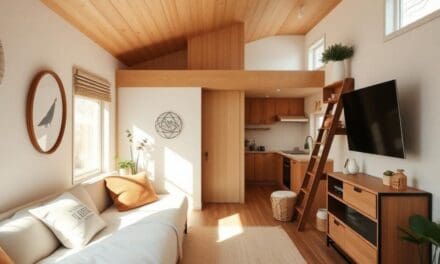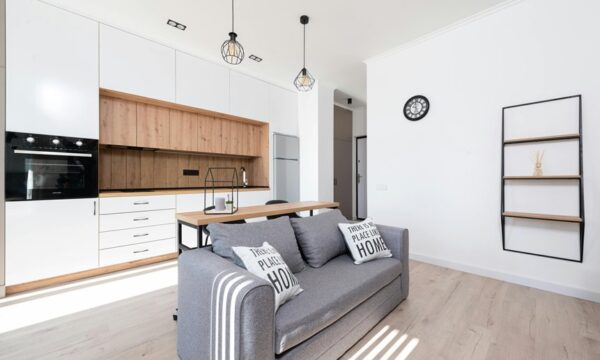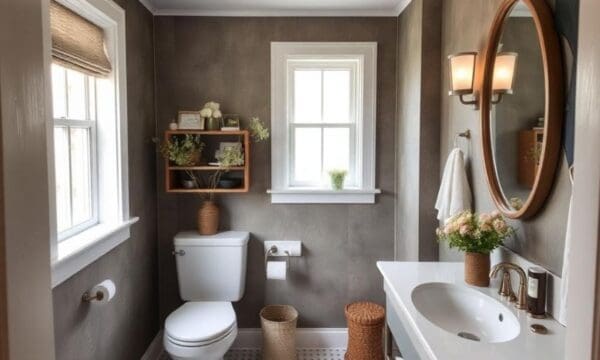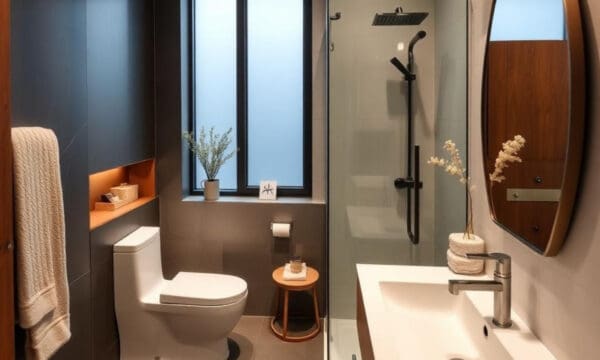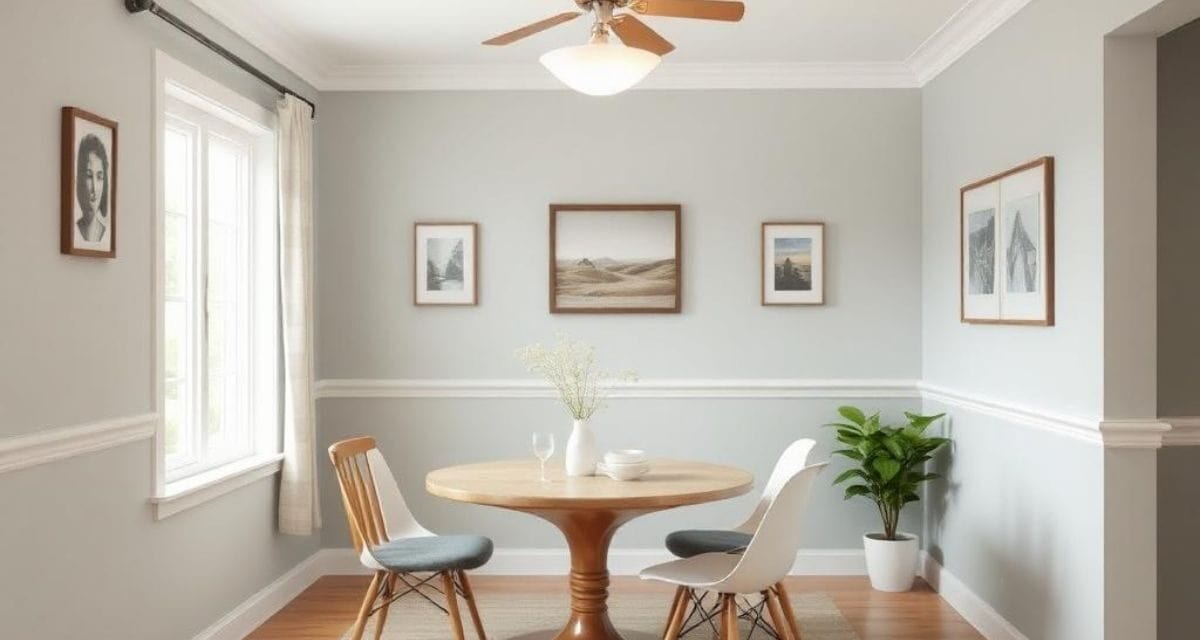
Maximize your small dining room by installing vertical shelves, using wall-mounted racks, and picking furniture with built-in storage. Opt for extendable tables, stackable chairs, and benches with hidden compartments. Keep tabletops clear and organize tableware with bins, trays, or pegboards. Brighten the room with natural light, mirrors, and layered lighting to make it feel more spacious. With these practical steps, you’ll boost both style and function—and discover even more clever solutions just ahead.
Maximizing Vertical Storage Space
When floor space is limited, look up—your walls offer valuable real estate for storage. Install open shelves to hold dishes, glassware, or decorative items. Floating shelves keep essentials within reach while freeing up your table and counters. Hang hooks or pegboards for mugs, utensils, or even small baskets to organize napkins and condiments. Use tall, slim cabinets or wall-mounted racks for items you use less frequently. Magnetic strips can hold metal utensils or spice jars, making use of every inch. Don’t forget the space above doorways; a simple shelf here can store rarely used items. By taking advantage of vertical space, you’ll clear clutter from surfaces and make your dining room feel more open, organized, and functional.
Choosing Multi-Functional Furniture
Vertical storage takes care of your walls, but your furniture choices matter just as much in a small dining room. Opt for pieces that serve more than one purpose to truly maximize your space. Look for dining tables with built-in storage or extendable leaves, so you can adjust the size as needed and stash away tableware or linens.
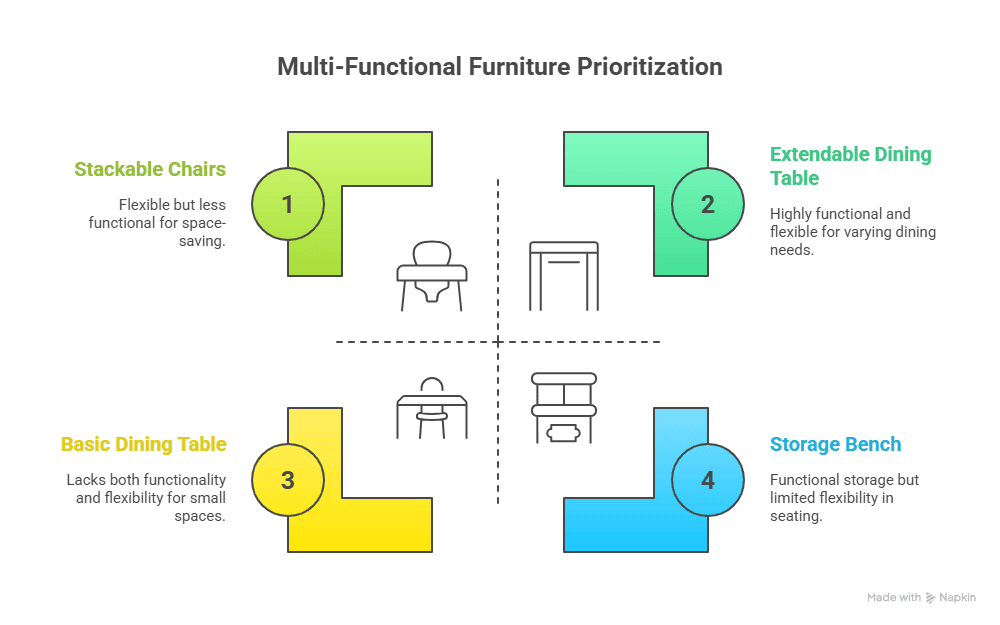
Benches with hidden compartments give you extra seating and a discreet place to store cushions or seasonal decor. Choose stackable or foldable chairs to free up floor space when you’re not hosting guests. A sideboard or buffet with drawers and shelves can double as a serving station and storage unit. Prioritize function and flexibility in every piece you bring into your dining area.
Utilizing Wall-Mounted Shelves and Racks
Wall-mounted shelves and racks instantly free up precious floor space in your small dining room. By shifting storage to the walls, you create more room to move and keep essentials within easy reach. Install floating shelves to display dishes, glassware, or decorative items. Use sturdy wall-mounted racks to organize wine bottles, mugs, or serving trays. Place shelves higher up for items you use less often, and keep everyday essentials at eye level for convenience. Don’t forget to use corners—corner shelves make use of often-wasted space. Choose shelving that matches your dining room’s style for a cohesive look. With well-placed wall storage, you’ll reduce clutter, maximize every inch, and make your dining area feel open and organized without sacrificing style or function.
Keeping the Table Clear and Clutter-Free
With shelves and racks taking care of extra dishes and décor, you can focus on keeping your dining table clear for meals and gatherings. Make it a habit to remove mail, keys, and other items that tend to land on your table as soon as you see them. Use a small tray or basket nearby for temporary storage if needed, but don’t let it become a permanent fixture. Before each meal, do a quick sweep to verify the tabletop is ready for use. Limit table centerpieces to a single, simple item—think a vase or a candle. By consistently clearing clutter, you’ll create a welcoming space for dining and conversation, making your small dining room feel open and organized.
Incorporating Built-In Storage Solutions
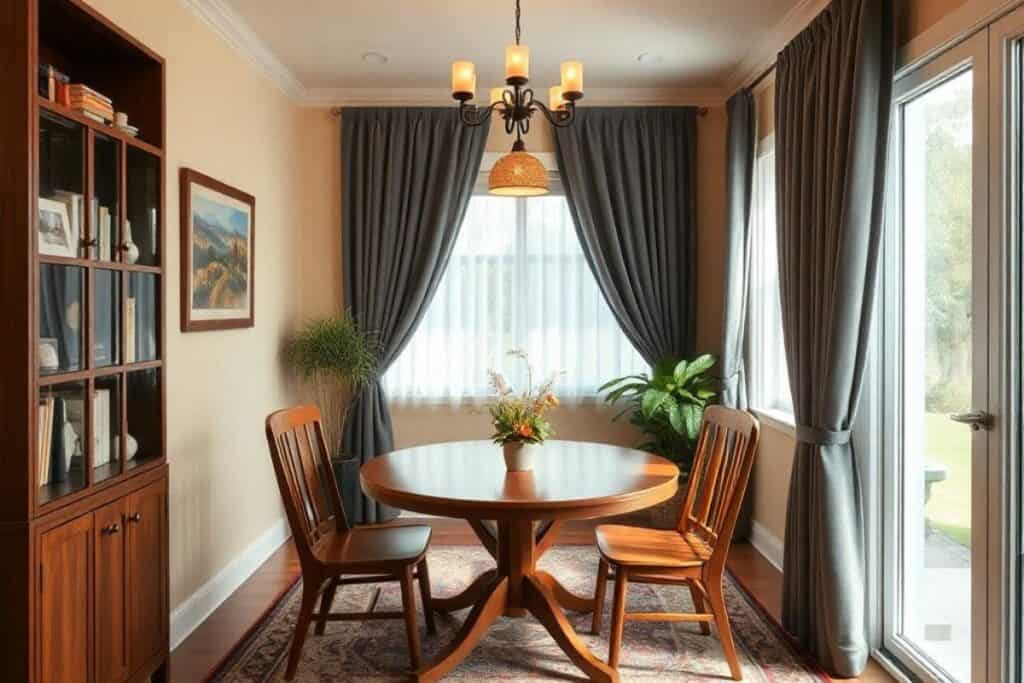
If you’re struggling to find space for dishes, linens, or serveware, built-in storage can make a big difference in your small dining room. Consider installing wall-mounted cabinets or shelves above your dining table to keep essentials close but out of the way. Use narrow built-in buffets or sideboards along one wall for extra storage without sacrificing too much floor space. Opt for units with drawers and closed cabinets to hide clutter and maintain a tidy look. You can also build recessed shelving into existing walls or corners to maximize every inch. Don’t forget vertical space—tall, slim storage works well in tight areas. With thoughtful built-ins, you’ll free up table surfaces and keep your dining room organized and welcoming.
Smart Seating Options for Small Spaces
Many seating choices can help you make the most of a small dining room. Opt for benches instead of bulky chairs—they tuck neatly under the table when not in use, freeing up valuable floor space. Consider stackable or folding chairs for extra guests; you can store them away easily after meals. Banquettes or built-in benches along a wall offer comfortable seating and create a cozy nook while maximizing every inch. Choose slim, armless chairs to avoid crowding the room. If your dining area doubles as another space, try stools that slide under the table or even ottomans with hidden storage. Always measure before buying to guarantee new seating fits without blocking walkways. Smart choices like these keep your dining space organized and welcoming.
Organizing Tableware and Utensils Efficiently
Efficient storage makes a small dining room feel tidy and functional. Start by grouping similar items—plates, bowls, glasses, and flatware—so you always know where everything goes. Use stackable or nesting dishes to save shelf space. Store utensils in drawer organizers or divided trays inside a buffet or sideboard. Wall-mounted racks or magnetic strips can keep serving utensils and cutlery accessible without cluttering drawers.
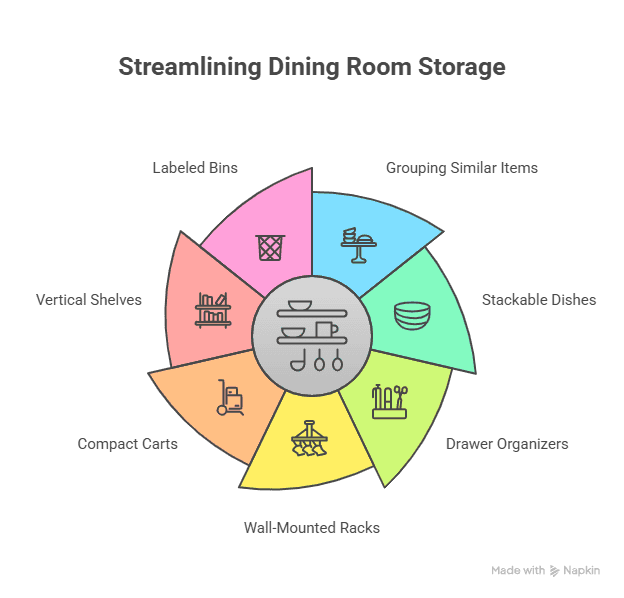
If you’re short on storage, consider a compact cart for extra tableware. Vertical shelves or slim cabinets make use of unused wall space. Store lesser-used items higher up or further back. Keep daily essentials within arm’s reach. Use labeled bins or baskets for napkins and table linens. Consistent organization helps you set the table quickly and effortlessly.
Creating a Dedicated Beverage or Buffet Station
Whether you love hosting or just want smoother mealtimes, setting up a dedicated beverage or buffet station maximizes space and keeps your dining area organized. Use a sideboard, bar cart, or a narrow console table to define this area. Place essentials like glasses, cups, pitchers, or coffee makers within easy reach. Store napkins, stirrers, and small plates nearby for convenience. If you’re short on surface area, use wall-mounted shelves above your station to hold extra supplies or display attractive bottles and mugs. Keep the station stocked but uncluttered by regularly removing unused items. This setup allows guests or family to serve themselves, freeing up your primary table for dining. With a designated spot, you’ll streamline serving and keep your dining room tidy.
Using Decorative Baskets and Bins
Even in a small dining room, decorative baskets and bins make it easy to keep essentials organized and accessible. Choose baskets that fit your style—wicker, metal, or fabric—and use them to store napkins, placemats, or extra utensils. Place bins on open shelves, under benches, or in a sideboard to maximize space and minimize clutter.
Label each basket for quick identification, so you won’t waste time searching during meals. Stackable bins work well for seasonal items or table linens you don’t use daily. Use smaller baskets as centerpieces to hold condiments or bread, keeping the table tidy and functional. With the right baskets and bins, you’ll bring order and charm to your dining area without sacrificing precious space.
Lighting Strategies to Enhance Spaciousness
Once baskets and bins have tamed the clutter, the right lighting can make your small dining room feel larger and more inviting. Start by maximizing natural light—keep window treatments minimal or use sheer curtains to let sunlight in. Position a mirror opposite the window to reflect daylight and visually double the space. For artificial lighting, choose a central fixture that spreads light evenly. Pendant lights or a small chandelier add style without overwhelming the room. Layer in wall sconces or slim floor lamps to eliminate shadows in corners. Use LED bulbs with a soft white tone for a warm, open feel. Don’t forget dimmers—they let you adjust brightness for different moods. With thoughtful lighting, your dining area will look brighter and more spacious.
Conclusion
By applying these tips, you’ll make the most of your small dining room without sacrificing style or comfort. Focus on vertical space, multi-functional furniture, and wall-mounted solutions to keep things organized and clutter-free. Built-in storage, baskets, and efficient tableware organization will help you stay tidy. Don’t forget lighting—it can make your room feel larger and more inviting. With these strategies, you’ll create a welcoming, functional dining area perfect for any occasion.