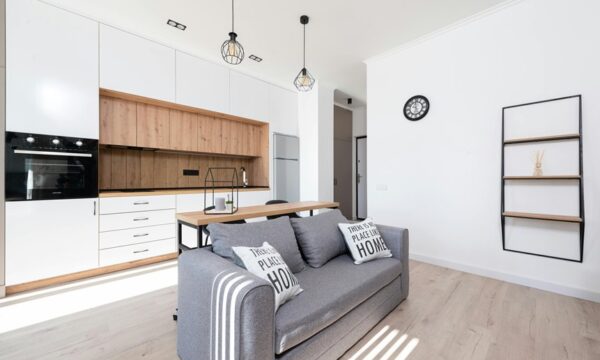
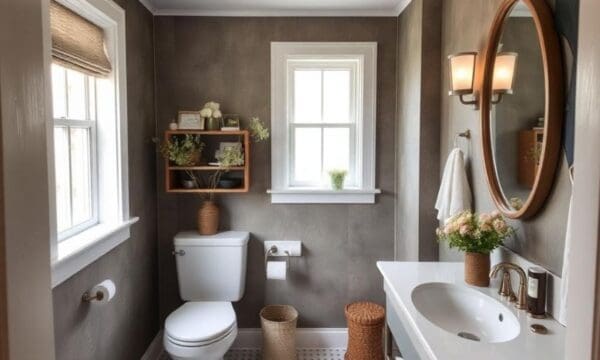
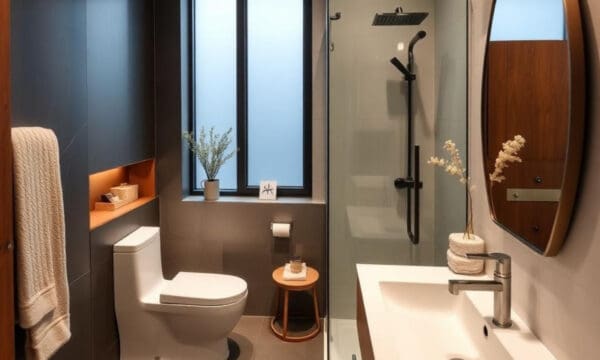
To organize your home with minimalist principles, start by keeping your entryway limited to essentials—think daily shoes, coats, and keys. In the living room, clear surfaces and keep only meaningful decor. For kitchens and pantries, store only what you use, remove duplicates, and group items logically. Bedrooms should feel restful, so remove clutter and keep only loved clothing. Bathroom essentials go in drawers or trays. Use multipurpose furniture and storage bins in shared spaces. Each section offers more actionable steps ahead.
Streamlining the Entryway
When you step into your home, the entryway sets the tone for the entire space, so it’s essential to keep it organized and clutter-free. Start by evaluating what truly needs to live here—limit items to coats, shoes, keys, and bags you use daily. Install wall hooks or a small rack for outerwear, but avoid overcrowding. Use a slim shoe tray or bench with storage to keep footwear contained and off the floor. Place a small bowl or tray on a console table for keys and mail, sorting it daily to prevent piles. Minimize decor to one or two simple items, such as a mirror or plant. By setting clear boundaries and routines, you’ll maintain a calm, functional entryway every day.
Creating Calm in the Living Room
Although the living room often attracts clutter and distractions, you can transform it into a peaceful retreat by focusing on what you truly use and love. Start by clearing surfaces—coffee tables, shelves, and end tables—of unnecessary items. Keep only a few meaningful objects, like a favorite book or plant. Store remotes and small electronics in a basket or drawer to reduce visual noise. Edit your décor: choose a few art pieces or photos that bring you joy, and let go of the rest. Arrange furniture to encourage conversation and relaxation instead of crowding the space. Finally, create dedicated zones for activities you enjoy, such as reading or listening to music, so everything has a purpose. Calm begins with intentional choices.
Simplifying the Kitchen and Pantry
If your kitchen feels overwhelming, start by clearing countertops of anything you don’t use daily. Keep only essentials like your coffee maker or toaster out, and store the rest in cabinets. Next, tackle drawers and cupboards. Sort items into categories—cookware, utensils, dishes, and food. Donate duplicates, rarely used gadgets, or anything broken. Store similar items together for easy access.

Move to the pantry. Toss expired food, and group what remains by category—grains, canned goods, snacks. Use clear containers or labeled bins to keep everything visible and avoid overbuying. Place frequently used ingredients at eye level. Finally, assign a home for each item so you can quickly return things after use. This simple structure keeps your kitchen organized and stress-free.
Decluttering Bedrooms for Restful Retreats
To create a truly restful bedroom, start by removing anything that doesn’t support relaxation or sleep. Clear out work materials, electronics, and exercise equipment—these items disrupt the calming atmosphere. Sort through clothing, keeping only what you love and wear often; donate or recycle the rest. Streamline your nightstand, limiting it to essentials like a lamp, book, or water glass. Store seasonal items in under-bed containers or high shelves to keep visible areas clutter-free.
Next, use closed storage solutions such as drawers or baskets to organize remaining items, reducing visual distractions. Keep décor simple—a few cherished pieces are better than many. Make your bed every morning to instantly tidy the space. By editing your belongings, you’ll transform your bedroom into a peaceful, restorative sanctuary.
Organizing Bathrooms for Efficiency
Once your bedroom feels calm and clutter-free, it’s time to create the same sense of order in the bathroom. Start by clearing out expired products, unused toiletries, and anything you rarely reach for. Keep only daily essentials, grouping similar items together—think skincare, oral care, and hair products. Use drawer dividers or small trays to prevent clutter from spreading. Limit countertop items to the absolute necessities; store the rest in drawers or cabinets.
Hang towels on hooks instead of bars to save space and help them dry faster. Place a small basket or bin under the sink for backup supplies. Clean as you go, wiping surfaces daily. By maintaining a streamlined setup, you’ll find your bathroom both functional and invigoratingly simple.

Optimizing Storage in Multipurpose Spaces
Whether you’re working with a studio apartment or a family room that doubles as a home office, multipurpose spaces demand thoughtful storage solutions. Start by identifying distinct zones for each activity—work, relaxation, or sleep. Choose furniture that serves multiple functions, such as an ottoman with hidden storage or a fold-down desk.
Use vertical space with shelves or wall-mounted cabinets to keep essentials accessible but out of sight. Invest in bins or baskets for quick cleanup and easy categorization. Label containers to maintain order and simplify retrieval. Limit items within each zone to only what you use regularly; stow away extras elsewhere. Finally, keep pathways clear to guarantee the space remains open and functional, supporting both organization and a minimalist aesthetic.
Conclusion
By embracing minimalist organization room by room, you’ll create a home that’s both peaceful and practical. Start small—clear surfaces, assign everything a place, and keep only what you truly need or love. Maintain your progress with regular check-ins and quick daily resets. Remember, each tidy space frees up your time and mind. Stick with these simple habits, and you’ll enjoy a clutter-free, calming environment that supports your well-being every day.