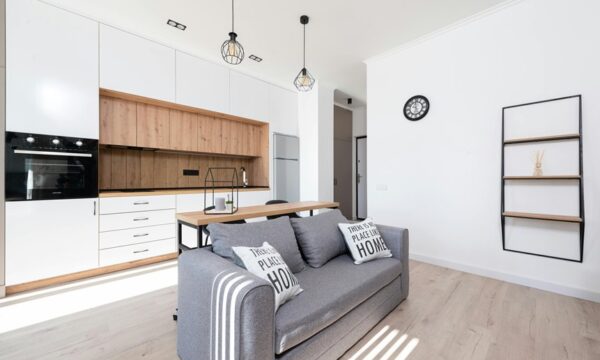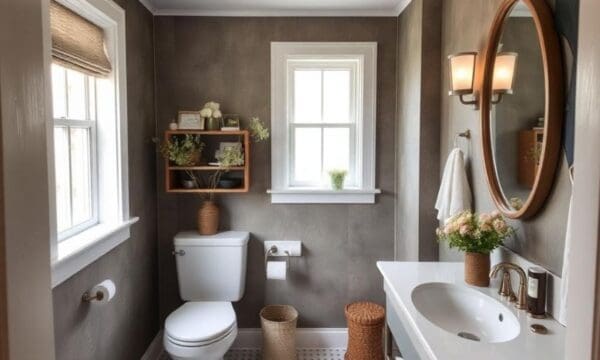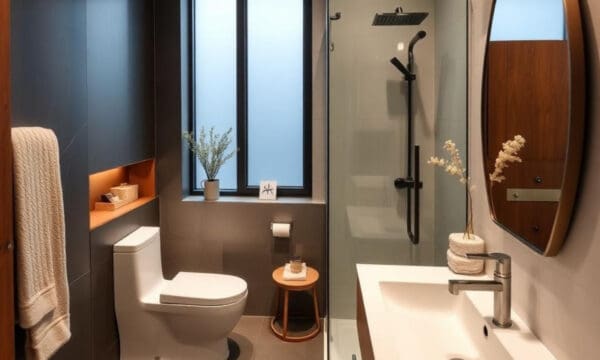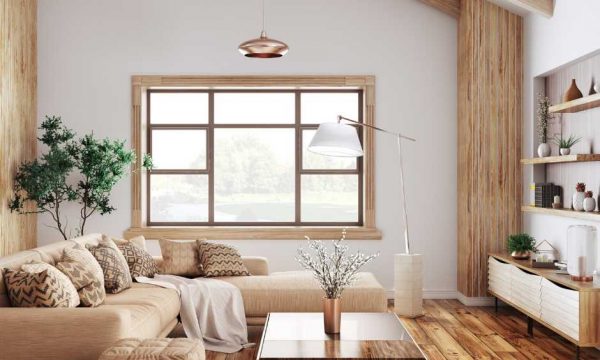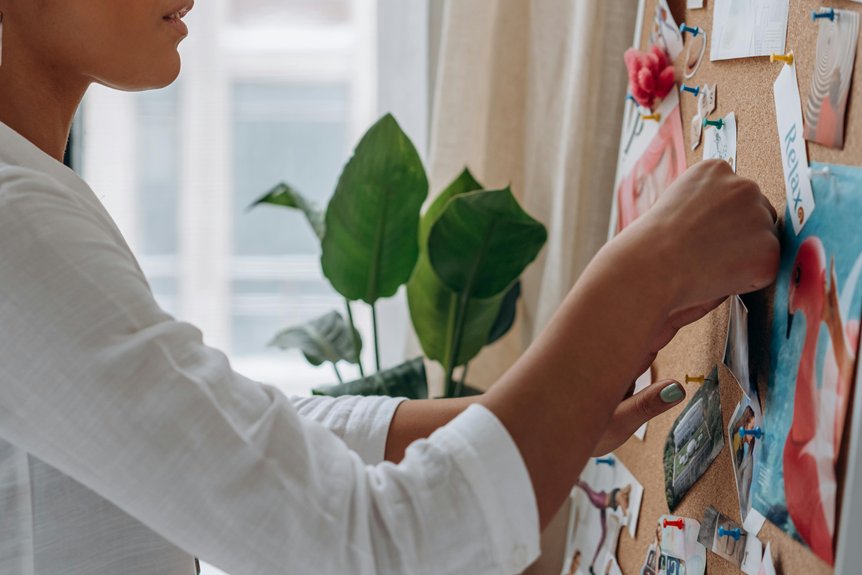
Start by gathering inspirational images, textures, and color palettes from sources like Pinterest, magazines, or design blogs. Pinpoint your style, then layer in color swatches, fabric samples, and materials that set the mood you want. Curate furniture silhouettes and décor photos that speak to your vision. Pull everything together on a digital or physical board and check for cohesive harmony. Use this as a reference to organize ideas and guide every design choice—there’s more to explore about refining your mood board.
Key Takeaways
- Gather inspiration from magazines, blogs, and social media to define the desired style and mood.
- Curate a cohesive color palette using color psychology and trendy or complementary accents.
- Select images, textures, and furnishings that represent the intended ambiance and functionality.
- Assemble your mood board digitally or physically, arranging elements for visual harmony.
- Refine and reference the mood board throughout the project to ensure design cohesion and focus.
Understanding the Purpose of a Mood Board
A mood board acts as your visual blueprint, transforming abstract ideas into a curated collection of images, colors, textures, and materials. When you create a mood board, you’re not just assembling pretty pictures—you’re defining the atmosphere and direction of your space in a tangible way.
One of the key mood board benefits is clarity: you’ll see which elements harmonize and what stands out, ensuring a cohesive design vision. With every swatch or photo, you’re gathering design inspiration that translates directly into actionable choices, from paint colors to furniture silhouettes.
Mood boards also help you communicate your vision to clients or collaborators, bridging the gap between imagination and reality. Ultimately, they keep you focused, organized, and aligned with the latest design trends throughout your project.
Gathering Inspiration and Defining Your Style
Whether you’re drawn to minimalist calm or vibrant eclecticism, pinpointing your aesthetic begins with collecting visual touchpoints that spark excitement.
Start your style exploration by curating images from magazines, design blogs, Pinterest, and Instagram. Save snapshots of interiors, art, patterns, and even fashion that resonate with your sensibilities.
Notice recurring themes—perhaps it’s the organic shapes of Scandinavian design or the bold contrasts of mid-century modern. Let your inspiration sources range from architectural details to curated vignettes in boutique hotels.
Print or digitally organize these finds, focusing on what appeals most to your eye. As you gather, ask yourself why certain looks attract you—maybe it’s texture, line, or harmony.
This clarity will ground your mood board in a style that feels authentically yours.
Choosing a Color Palette and Materials
With your inspiration images in hand, it’s time to zero in on the hues and textures that will define your space. Start by exploring color psychology—think about the mood you want to create, whether that’s a calming retreat or an energizing hub.
Don’t just stick to one shade; layer your palette with complementary tones and trendy accents. For material selection, focus on how surfaces feel and interact with light. Rich woods, sleek metals, and tactile textiles each tell a visual story.
To guide your choices, consider:
- Warm neutrals for a cozy, timeless backdrop
- Pops of bold color for modern energy
- Matte finishes for a soft, contemporary vibe
- Natural textures like linen or rattan
- Metallic accents to add sophistication
Incorporating neutral color palettes can create a relaxing space that enhances your interior design vision.
Let color and material choices anchor your vision.
Selecting Images, Textures, and Furnishings
Once you’ve outlined your palette, start curating images that capture your desired ambiance—think art prints, magazine clippings, or snapshots of inspiring interiors.
Use intentional image sourcing to reflect the mood you’re aiming for, focusing on furniture silhouettes, lighting styles, and standout décor pieces. Don’t just look for pretty pictures; select visuals that showcase the textures you want to incorporate, such as velvet upholstery, woven baskets, or raw wood.
Texture layering is key—collect fabric swatches, close-up rug shots, or tactile wall finishes that evoke warmth or contrast. Pay attention to current design trends, but also include timeless elements to ground your vision. Consider incorporating elements like pendant lights that can enhance the overall design and functionality of your space.
Assembling Your Mood Board: Digital vs. Physical
Now that you’ve gathered an array of images, textures, and inspiration, it’s time to bring your vision together on a mood board. You can choose between digital tools or physical materials, depending on your style and workflow.
Digital mood boards are sleek, easy to edit, and perfect for sharing. Apps like Canva or Milanote let you drag, drop, and rearrange until every element feels just right.
If you prefer tactile experiences, physical materials—think fabric swatches, magazine cutouts, and paint chips—invite hands-on creativity.
Consider these when deciding:
- Flexibility for rearranging elements
- Ability to layer different textures
- Ease of sharing with clients or collaborators
- Incorporation of real-life samples
- On-trend aesthetics and sleek presentations
Choose the format that best sparks your inspiration and supports your design process.
Refining and Using Your Mood Board to Guide Design Decisions
After assembling your mood board, take a step back and assess how each element supports your overall vision.
Examine color palettes, textures, and materials—do they harmonize or clash? Pay attention to trending aesthetics but guarantee that your board reflects your unique style.
Refining aesthetics means removing anything that feels out of place and adding details that elevate the mood, like a statement fabric or a bold accent color.
Use your curated board as a reference point when selecting furniture, lighting, and décor. Let it guide decisions on finishes, patterns, and even artwork.
Whenever you’re tempted by something new, compare it to your mood board. This way, you’ll maintain cohesion and confidence, knowing each design choice aligns with your intended atmosphere.
Conclusion
By crafting a mood board, you’ll turn your vision into a vivid, tangible plan. Let color swatches, textures, and curated images guide your choices. Whether you go digital for easy updates or physical for tactile inspiration, your mood board keeps your style cohesive and on-trend. Don’t be afraid to refine as you go—details make the difference. With your unique, visual blueprint in hand, you’re ready to transform any space into your personalized, stunning retreat.