To decorate a modern rustic living room, start with a palette of earthy neutrals—think warm whites, taupe, and soft grays—then add contrast with deep green or burnt orange accents. Incorporate natural materials like exposed wood beams, stone fireplaces, and woven baskets for tactile depth. Pair sleek modern furniture with reclaimed wood pieces and metal accents for visual harmony. Layer cozy textiles—linen, jute, wool—for comfort and interest. Thoughtfully highlighted architecture and purposeful decor complete the look, with more tips just ahead.
Key Takeaways
- Choose a warm, earthy neutral color palette with carefully balanced accent colors for a cohesive look.
- Incorporate natural materials like wood, stone, and woven textures to add authenticity and depth.
- Mix modern furniture with rustic pieces, ensuring each serves a functional purpose and the overall scale feels balanced.
- Layer cozy textiles such as knit throws, linen covers, and natural fiber rugs to increase comfort and visual interest.
- Highlight architectural features like exposed beams and fireplaces with thoughtful lighting and minimal, low-profile furnishings.
Choosing the Right Color Palette
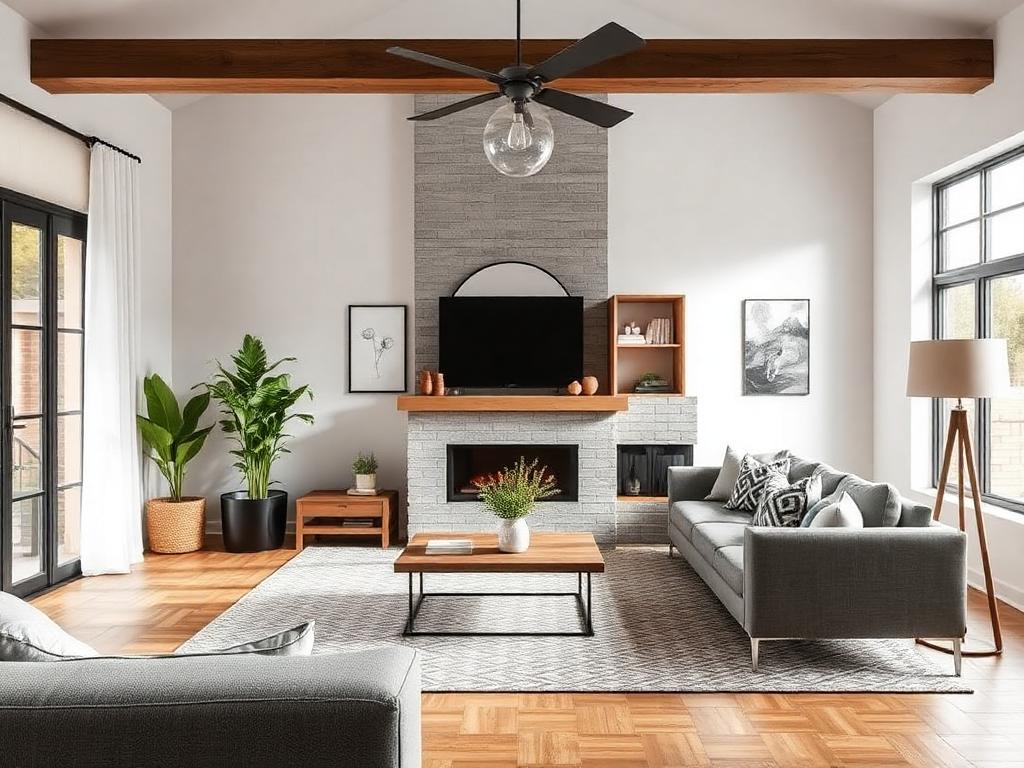
When selecting a color palette for a modern rustic living room, prioritize earthy neutrals like warm whites, taupe, and soft grays as your foundation.
These neutral tones provide a versatile backdrop, allowing architectural details and textures to take center stage. Opt for a monochromatic scheme to create visual cohesion, then layer in accent colors sparingly for depth and interest.
Incorporate accent colors such as deep green, burnt orange, or muted navy through artwork, textiles, or decorative objects. These pops of color energize the space without disrupting its tranquil atmosphere.
Always balance your accent colors with the dominant neutral tones to maintain harmony. By thoughtfully curating your palette, you’ll achieve a modern rustic look that’s both sophisticated and inviting.
Incorporating Natural Materials
After establishing a balanced color palette, focus on layering the space with tactile natural materials that define modern rustic style.
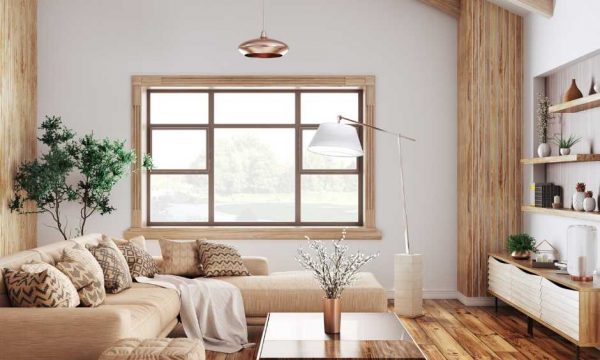
Integrate wood accents through exposed beams, reclaimed mantels, or live-edge coffee tables, which anchor the space with organic character and warmth. Emphasize the grain and texture of the wood for authenticity. Incorporate stone features, such as a stacked stone fireplace or slate tile, to ground the room.
Leverage natural light by keeping window treatments minimal—linen drapes or sheer shades allow sunlight to highlight the materiality of your finishes.
Layer in woven baskets, jute rugs, and wool throws for added sensory depth and functionality. Prioritize placement of these materials where they’ll be both visually impactful and useful, reinforcing the seamless connection to nature essential to modern rustic interiors.
Mixing Modern and Rustic Furniture

A thoughtful blend of sleek, modern pieces and timeworn rustic staples defines a modern rustic living room’s curated appeal.
Start by juxtaposing streamlined sofas or minimalist coffee tables with reclaimed wood consoles or vintage armchairs. This contrast in furniture styles draws the eye and establishes design balance. Opt for mid-century silhouettes in neutral fabrics next to crafted wooden side tables—each element should complement, not compete.
Pay attention to scale; combine substantial rustic items with lighter, modern profiles to avoid visual heaviness. Metal accents, like black iron legs or matte brass hardware, can unify the mix and anchor the space. Additionally, consider incorporating indoor plants to enhance the warmth and liveliness of your rustic modern decor.
Aim for functional cohesion by ensuring each piece serves a purpose, resulting in a harmonious, inviting environment that showcases both old and new.
Adding Cozy Textures and Layers
While sleek surfaces and clean lines lay the foundation for a modern rustic living room, tactile layers deliver essential warmth and dimension.
Employ purposeful textile combinations—think chunky knit throws, linen slipcovers, and plush wool area rugs—to invite comfort without disrupting visual cohesion.
Introduce layering techniques by draping a faux fur blanket over a leather armchair or stacking patterned pillows in varying textures on the sofa.
Incorporate tactile variety with woven baskets for storage and soft, nubby poufs for extra seating.
Opt for natural fibers like cotton, jute, and sheepskin to reinforce the rustic narrative, while tonal variation in textiles creates depth.
Every layer should serve a dual purpose: enhancing visual interest and increasing functionality, ensuring your space feels both sophisticated and inviting. Additionally, incorporating flowers and plants can further enhance the cozy atmosphere and promote relaxation in your living space.
Highlighting Architectural Features
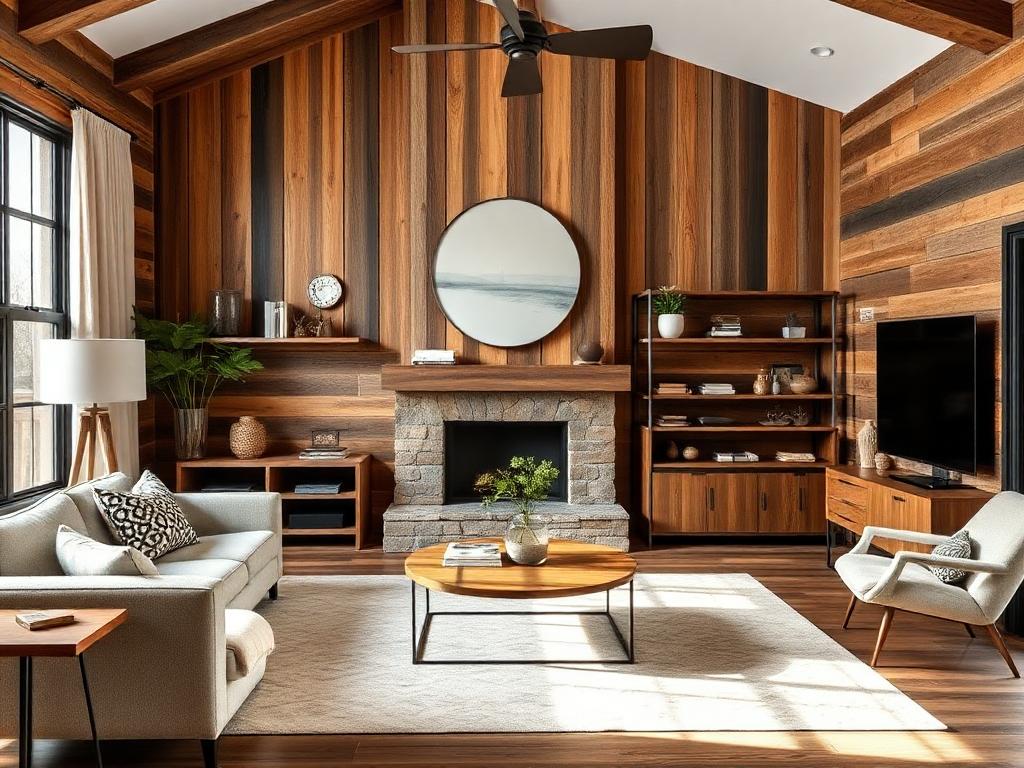
Even subtle architectural details can become striking focal points in a modern rustic living room when you intentionally highlight them.
Start by drawing attention to exposed beams—sand and treat them, then use uplighting or directional spotlights to emphasize their texture and grain. If you have a fireplace, frame it with reclaimed wood for a bold, tactile surround that anchors the space.
Incorporate reclaimed wood as accent walls or built-in shelving to reinforce architectural depth and add warmth. Opt for neutral wall colors to contrast with wood elements, ensuring they visually stand out.
Keep furnishings low-profile so the eye naturally travels to these architectural highlights. By emphasizing these features, you’ll enhance your living room’s spatial dynamics and showcase the distinctive character central to modern rustic design.
Accessorizing With Thoughtful Decor
Once you’ve established a strong architectural foundation, introduce decor that balances function with artistry to reinforce your modern rustic vision.
Select statement pieces such as hand-forged metal mirrors, oversized ceramic vases, or reclaimed wood coffee tables to anchor the room visually.
Curate artistic accents—think artisan-made pottery, woven baskets, or textured linen throws—to add tactile dimension and visual intrigue.
Opt for functional decor: a sculptural lamp or a vintage trunk that doubles as storage.
Layer natural materials like wool, jute, and leather to ground your space while maintaining a cohesive palette.
Display collections sparingly; a gallery wall of black-and-white photography or a singular, large-scale painting offers impact without overwhelming.
Ultimately, each accessory should feel intentional, reflecting your personal taste while enhancing the room’s utility and warmth. Incorporating calming neutrals and pastels can further promote a serene atmosphere in your living room.
Conclusion
By blending organic textures, neutral hues, and a curated mix of sleek and timeworn furnishings, you’ll achieve a balanced modern rustic living room. Prioritize natural light to accentuate wood beams or stonework, and layer in tactile elements for warmth. Don’t overlook artisan accents—ceramic vases, woven baskets, or vintage finds—each piece should feel intentional. With thoughtful choices and an eye for contrast, you’ll create a visually striking yet inviting space that’s both functional and timeless.