You’ll undermine your living room’s potential if you choose oversized or undersized furniture, ignore thoughtful traffic flow, or rely on a single, flat lighting source. Don’t compromise comfort and cohesiveness by pushing all pieces against the walls, skipping proper rug sizing, or leaving out meaningful accents. Prioritize layered lighting, integrated storage, and a balanced color palette to achieve both practicality and visual harmony. There’s more to reflect upon if you want truly seamless, inviting results.
Key Takeaways
- Choosing furniture that’s too large or too small disrupts the room’s balance and comfort.
- Blocking natural traffic flow with poor furniture arrangement creates movement bottlenecks and reduces functionality.
- Relying solely on overhead lighting makes the space look flat and uninviting.
- Overcrowding with decor or neglecting storage leads to clutter and visual chaos.
- Prioritizing trends over personal style results in an impersonal and disconnected living room.
Choosing Oversized or Undersized Furniture

Proportion anchors a living room’s visual harmony, yet many homeowners overlook scale when selecting furniture. When you choose pieces that are too large, they overpower the space, making movement and sightlines feel cramped. Conversely, undersized furniture can leave your room looking sparse and uninviting, disrupting the intended ambiance.
Always assess furniture scale in relation to both room dimensions and ceiling height. Use painter’s tape to outline potential pieces before purchasing—this guarantees visual balance and proper fit.
Additionally, prioritize style compatibility alongside scale. A sleek, low-profile sofa might look lost beside a bulky, traditional armchair, breaking cohesion. Select pieces that echo each other’s proportions and design language.
Ignoring the Room’s Traffic Flow

One common yet critical mistake is neglecting the living room’s natural traffic flow, which directly impacts both functionality and comfort.
If you overlook traffic patterns, you risk disrupting the flow dynamics essential for seamless movement. Poorly positioned sofas and tables can block pathways, causing bottlenecks and making the space feel cramped.
Instead, analyze how people enter and exit the room, and visualize main circulation routes. Arrange your furniture to create clear walkways at least 30-36 inches wide—this guarantees people move easily without bumping into obstacles.
Use area rugs or lighting to subtly guide traffic patterns, keeping the design intuitive. Prioritizing flow dynamics doesn’t mean sacrificing style; it elevates comfort and usability, making your living room effortlessly inviting and visually harmonious.
Neglecting Layered Lighting
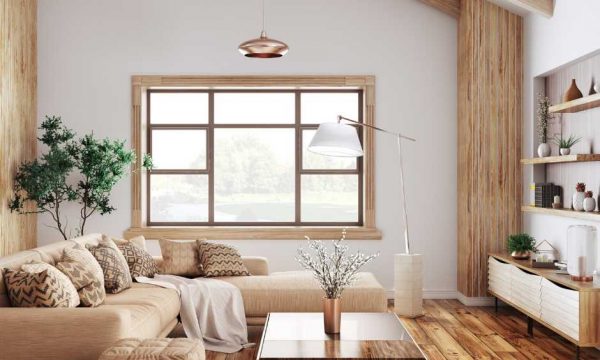
Too often, living rooms rely solely on a single overhead fixture, leaving the space flat and uninviting. When you neglect layered lighting, you miss the dynamic interplay of light and shadow that defines a thoughtfully designed room.
Relying only on ambient lighting fails to address functional needs and visual interest. To remedy this, incorporate multiple lighting fixtures—task lamps for reading nooks, accent lights to highlight artwork, and dimmable sconces for mood shifts.
By mixing sources, you’ll create depth, enhance textures, and control the atmosphere. Evaluate your living room layout, then strategically position lighting fixtures at various heights and intensities. Incorporating at least three types of lighting is essential for a balanced approach.
Don’t underestimate the transformative power of a well-layered lighting plan; it’s essential for both comfort and sophisticated visual impact.
Pushing All Furniture Against the Walls

Many homeowners instinctively push every piece of furniture against the walls, believing it will maximize space and create an open feel. In reality, this approach often leads to a disconnected seating arrangement and disrupts the room’s natural flow.
Effective furniture placement relies on thoughtful spatial zoning; pulling sofas and chairs inward fosters intimacy and clear conversation areas. By leaving breathing room between furnishings and walls, you’ll enhance both movement and visual balance.
Consider wall aesthetics as well—bare expanses may look stark or uninviting when furniture hugs every edge. Instead, anchor your layout with a central focal point, such as a coffee table or fireplace.
This strategy not only encourages interaction but also allows you to highlight art, shelves, or architectural details along the walls.
Using Rugs That Are Too Small
Countless living rooms lose their sense of proportion when undersized rugs break up the visual flow.
Selecting the wrong rug size can make your space feel disconnected, with furniture awkwardly floating or cramped at the edges. Proper rug placement is critical—it anchors your seating arrangement and visually unifies the room.
When the rug is too small, you risk diminishing the sophistication and functionality of your design.
Consider these pitfalls:
- The rug disappears under the coffee table, failing to connect furniture.
- Seating feels disjointed, creating a fragmented layout.
- Proportion is lost, making the room appear smaller.
- The visual harmony you crave simply falls flat.
Prioritize a rug size that allows at least the front legs of major furniture to rest on it, establishing an intentional, cohesive look.
Overcrowding the Space With Decor

Although layering accents can inject personality and warmth, overwhelming your living room with decor quickly leads to visual chaos and a lack of focus.
A curated environment requires decor simplicity; every object should serve a purpose or create intentional visual interest. When you overcrowd surfaces with trinkets or saturate walls with art, the eye has nowhere to rest, diminishing the impact of each piece.
Prioritize mindful placement—group items in odd numbers, vary heights, and allow negative space to highlight key features. Edit your selections ruthlessly; rotate accessories seasonally rather than displaying everything at once.
Use focal points, such as a statement lamp or distinctive artwork, to anchor the room. Remember, restraint enhances sophistication and allows your chosen pieces to truly stand out.
Forgetting to Add Personal Touches

Once you’ve pared back excess decor, it’s easy to slip into the opposite mistake: designing a living room that feels impersonal or generic.
A space devoid of personal mementos or unique art lacks soul and fails to tell your story. You want a living room that feels inviting, not sterile.
Creating emotional resonance requires intentional choices. Consider these key ways to infuse personality:
- Display cherished personal mementos—photos, travel souvenirs, or heirlooms—prominently.
- Incorporate unique art that reflects your aesthetic, rather than relying solely on mass-produced prints.
- Layer in textiles that evoke memories or express your favorite colors and patterns.
- Curate a bookshelf with titles and objects that reveal your passions.
Additionally, consider incorporating indoor plants for a refreshing atmosphere that also adds a personal touch.
Personal touches transform your living room into a true reflection of you.
Failing to Plan for Storage
Without a thoughtful storage strategy, even the most beautifully designed living room quickly succumbs to clutter. You might invest in premium furnishings, but lacking designated spaces for daily essentials—remote controls, magazines, blankets—undermines both function and aesthetics.
Integrated storage solutions, such as built-in shelving, multifunctional ottomans, or concealed cabinets, maintain visual harmony and maximize floor area. Don’t overlook vertical potential; wall-mounted units and floating shelves deliver both display and stowage without crowding the room.
Creative organization is key: use baskets for quick cleanup, and select modular furniture that adapts to evolving needs. Consider utilizing wicker baskets for categorizing items to streamline your living space. Approach storage planning with the same rigor as you do color palette or furniture selection.
Not Considering Color Balance

A cohesive color balance anchors a living room’s atmosphere, yet many designs falter when hues clash or overwhelm. You might be drawn to bold colors or trendy palettes, but without color harmony, your space can feel chaotic or uninspired.
Relying only on personal favorites, rather than integrating complementary shades, disrupts the visual rhythm and detracts from comfort. Emotional resonance depends on thoughtful choices.
Avoid these frequent pitfalls:
- Ignoring undertones, leading to subtle but jarring mismatches.
- Using too many saturated hues, which overstimulate and fatigue the eyes.
- Disregarding the interplay of natural and artificial light, which can distort color perception.
- Forgetting to balance dominant colors with neutrals, creating a sense of imbalance.
Prioritize intentional color schemes. Let complementary shades and well-planned palettes foster inviting, harmonious environments.
Overlooking Functional Layouts

While color balance sets the mood, the way you arrange furniture directly impacts how the space functions day-to-day. Ignoring layout efficiency leads to obstructed walkways, poor sightlines, and missed opportunities for space optimization.
You might unintentionally block traffic flow or position seating too far from focal points like the TV or fireplace. Instead, assess your living room’s dimensions and zone areas for conversation, media, and movement.
Float furniture away from walls when possible to encourage interaction and better circulation. Use scaled pieces that suit your room’s proportions, and always leave adequate clearance between elements.
Prioritize multifunctional furniture, such as storage ottomans or nesting tables, to further enhance flexibility. Additionally, incorporating personal interests into your layout can enhance the overall enjoyment and functionality of your living space. By focusing on both space optimization and layout efficiency, you’ll create a living room that’s both inviting and practical.
Conclusion
Avoiding these common living room design mistakes guarantees your space feels balanced, functional, and inviting. Prioritize proportional furniture, plan for smooth traffic flow, and incorporate layered lighting for visual interest. Anchor your seating with the right-sized rug, personalize with curated accents, and integrate smart storage solutions. Maintain color harmony and optimize your layout for both comfort and practicality. By addressing these pitfalls, you’ll create a cohesive, visually dynamic living room that truly reflects your style and meets your needs.