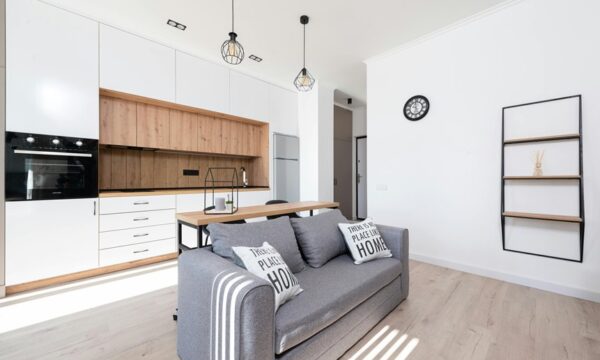
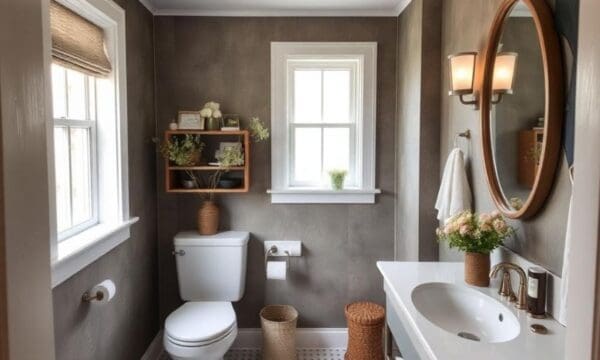
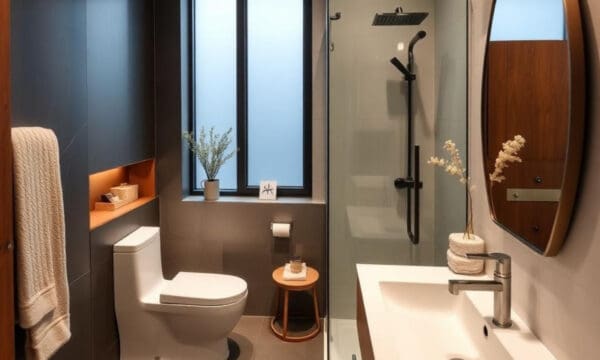
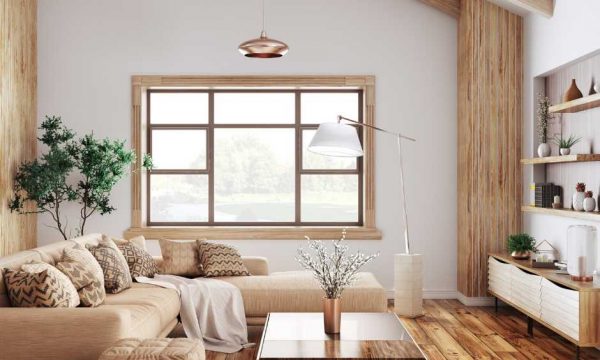
To mix vintage and modern design, you’ll combine ornate patinas, mid-century silhouettes, and tactile fabrics with the minimalism and clean lines of contemporary aesthetics. Start with a cohesive color palette and anchor your space with statement pieces, balancing sculptural retro finds against modern furnishings. Layer textures like aged leather with brass or marble for visual rhythm, and thoughtfully style unique accessories to add narrative. Explore spatial hierarchy and styling principles to master this sophisticated blend.
Key Takeaways
- Blend vintage and modern pieces by establishing a cohesive color palette to unify the overall look.
- Anchor the space with statement furniture that balances classic silhouettes and contemporary lines.
- Layer tactile materials like aged leather and polished metal for visual interest and harmony.
- Use repetition of shapes or textures to seamlessly connect old and new design elements.
- Personalize with unique accessories that reflect your style without overcrowding the space.
Understanding the Essentials of Vintage and Modern Styles

While exploring interior design, you’ll notice that vintage and modern styles each bring distinct visual languages and spatial priorities.
Vintage influences evoke nostalgia through patina-rich finishes, ornate moldings, and classic silhouettes—think mid-century teak credenzas or tufted Chesterfield sofas. You’ll recognize vintage’s tactile fabrics, timeworn metals, and historical motifs shaping an inviting, storied environment.
In contrast, modern aesthetics emphasize minimalism, clean lines, and open spatial flow. Picture a room defined by polished concrete, streamlined furnishings, and a neutral color palette punctuated with bold geometric art.
Modern design prioritizes function and simplicity, often featuring modular storage solutions and uncluttered surfaces. As you analyze these styles, you’ll see how they inform spatial dynamics—vintage grounds a room in character, while modern opens it with clarity and intention.
Finding the Perfect Balance Between Old and New

Curiously, how do you curate a space where vintage charm and modern minimalism coexist without visual discord?
Begin by establishing a cohesive color palette—think muted neutrals or bold contrasts—to create design harmony. Balance is achieved when you juxtapose mid-century silhouettes with contemporary lines, allowing each era’s narrative to shine.
Pay close attention to spatial relationships; don’t overcrowd with ornate antiques, but let a singular retro statement piece breathe amidst sleek, functional furnishings. Integrate timeless appeal through tactile materials—aged leather, marble, or brass—layered with modern finishes like matte black or glass. Natural light can also enhance the overall atmosphere, making the blend of styles feel more inviting and cohesive.
Use repetition of shapes or textures to tie disparate elements together. By orchestrating thoughtful vignettes and respecting negative space, you’ll seamlessly blend nostalgia and innovation for a truly curated, harmonious interior.
Choosing Key Pieces to Anchor Your Space

Because the foundation of any well-curated interior lies in its focal points, selecting anchor pieces demands discernment and intent. You’ll want to identify statement pieces—a sculptural vintage credenza, a sleek mid-century sofa, or a contemporary dining table—that command attention while establishing the room’s aesthetic direction.
Evaluate scale and proportion in relation to your space; oversized pieces can ground an open-plan loft, while more delicate silhouettes suit compact layouts. Incorporating functional furniture guarantees both form and utility coexist: think a Bauhaus-inspired armchair that’s as comfortable as it’s iconic. Additionally, consider how to mix and match furniture to create a cohesive yet eclectic look that showcases your personal style.
Playing With Colors, Textures, and Materials

As you layer vintage and modern elements, a strategic interplay of color, texture, and material defines the room’s tactile and visual rhythm.
Curate color palettes that bridge eras—think muted pastels paired with crisp monochromes or rich jewel tones juxtaposed with sleek neutrals. This considered approach creates a cohesive backdrop for both ornate antiques and streamlined contemporary pieces.
Integrate texture combinations intentionally: velvet-upholstered vintage chairs against a polished concrete floor, or a mid-century teak credenza beside a high-gloss lacquered wall.
Balance tactile contrast—rough with smooth, matte with gloss—to heighten spatial interest. Materials like brass, marble, and glass serve as connective tissue, echoing both traditional craftsmanship and modern innovation.
Maintain spatial awareness to prevent visual clutter, ensuring each element has room to breathe.
Personalizing Your Look With Unique Accessories

While a balanced mix of eras establishes your foundation, it’s the accessories that inject individuality and narrative into a space. Think of statement necklaces and retro handbags as curated accents—each piece tells its own story and punctuates your personal style.
When layering these elements, consider visual weight and negative space. A bold, geometric statement necklace can anchor a minimalist contemporary ensemble, while a vintage lucite clutch introduces playful contrast to a sleek, modern look.
Position accessories where they command attention yet don’t disrupt flow; for example, display retro handbags on open shelving or style them atop mid-century consoles.
Conclusion
Blending vintage and modern design isn’t just trendsetting—it’s about curating a space with narrative depth and visual tension. As you juxtapose mid-century silhouettes with sleek, contemporary lines, pay attention to scale, negative space, and layered textures. Anchoring your room with iconic pieces—think Eames lounge or a Bauhaus credenza—lets you infuse personal flair through curated accessories. Ultimately, you’ll achieve a dynamic, cohesive environment that reflects both design history and your unique sensibilities.